







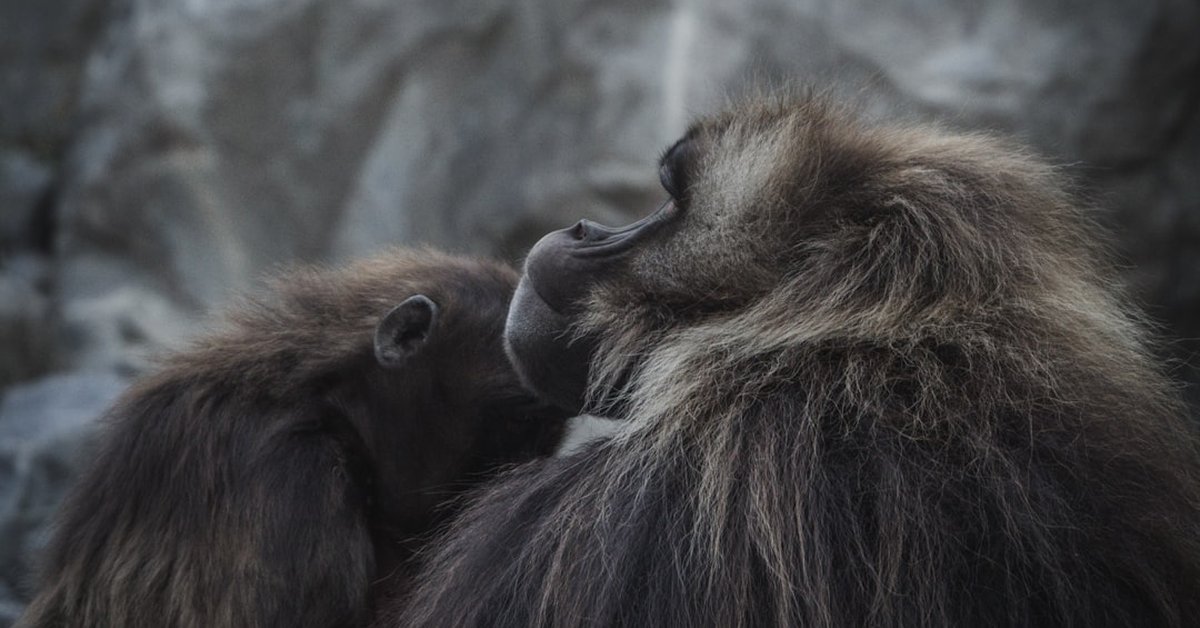
“Kissing and hugging are not just human behaviors; they are deeply rooted in our evolutionary past,” the study notes. “Our closest relatives use them to reconcile after conflict, reducing stress and reinforcing social bonds.” That’s the takeaway from a new study published in the journal Current Biology, which observed chimpanzees and bonobos engaging in physical affection — kissing, hugging, and even grooming — after heated disputes. The researchers found that these gestures lower cortisol levels and decrease the likelihood of renewed aggression. For the apes, it’s not just about making up; it’s a survival strategy.
But here’s the thing: this isn’t just a cute animal story. It’s a window into our own behavior. Think about the last time you hugged someone before a stressful event — a job interview, a medical appointment, or even a flood watch warning. That instinct to seek comfort through touch may be millions of years old. And it works.
The Power of a Hug
The study, led by researchers at the University of Zurich, tracked 40 apes across two sanctuaries over several months. They recorded 1,200 conflicts and the subsequent reconciliations. In 80% of cases, the apes that engaged in physical contact within 10 minutes of a fight were far less likely to fight again that day. The most common gestures? A kiss on the mouth, a full embrace, or gentle grooming. “It’s a deliberate de-escalation tactic,” the authors write. “The apes actively choose to re-establish trust.”
And it’s not just about making peace. The study also measured stress hormones in urine samples collected before and after these interactions. The results were striking: cortisol levels dropped by an average of 30% in apes that received a hug within 15 minutes of a conflict. Those that didn’t reconcile? Their cortisol stayed elevated, and they were more likely to engage in another fight within an hour.
This mirrors what we see in humans. When we hug, our bodies release oxytocin — the “bonding hormone” — and reduce cortisol. It’s the same physiological mechanism. The difference is that we’ve turned it into a cultural norm, while apes rely on it as a raw instinct. But the underlying wiring is the same.
Apes and Emotional Intelligence
What’s especially fascinating is that the apes seem to read the emotional state of their opponent. They don’t just randomly hug; they approach cautiously, often with a submissive gesture like a bow or a soft vocalization, before initiating contact. If the other ape responds with a similar gesture, the embrace happens. If not, they back off — a sign of advanced social cognition.
Bonobos, in particular, are known for using sexual contact to resolve conflicts, but the study found that they also use non-sexual hugs and kisses just as often as chimpanzees. “Bonobos are often portrayed as the ‘hippie apes,’ but they’re actually strategic peacemakers,” the researchers note. “The goal is to restore harmony, not just to have sex.”
This has implications for how we understand our own emotional intelligence. We often think of conflict resolution as a learned skill — something we teach in corporate workshops or therapy. But the study suggests that the foundation is biological. “We didn’t invent reconciliation,” says the lead author. “We inherited it.”
What This Means for Human Stress
So why does this matter for you, the reader? Because in a world where stress is at an all-time high — think of the wildfire smoke choking Pennsylvania or the constant churn of bad news — we might be neglecting one of the most effective stress relievers: physical touch.
Look, we’re not saying you should go around hugging strangers. But consider this: during the pandemic, isolation led to a documented rise in anxiety and depression. Part of that was the lack of touch. The ape study reinforces that we are wired for connection. A simple hug before a tough conversation, a handshake after a disagreement, or even a pat on the back can reset the emotional thermostat.
And it’s not just about romance or family. The study observed that apes engaged in reconciliation with non-kin — friends, rivals, even unrelated juveniles. The bond is about trust, not blood. So maybe the next time you have a tense moment with a coworker, a simple gesture — a nod, a hand on the shoulder — could diffuse the situation. It’s ancient, but it works.
The Ancient Roots of Trust
This research also adds a new layer to our understanding of group dynamics. Apes live in complex social hierarchies. Conflict is inevitable, but it’s also dangerous. A serious fight can lead to injury or expulsion. So the peacekeeping ritual is essential for group stability. The study found that groups with higher rates of post-conflict hugging had lower overall aggression levels. They were more cooperative, more likely to share food, and less likely to ostracize individuals.
In human terms, this is the glue that holds communities together. From tribal villages to modern cities, trust is built on small gestures. The study suggests that these gestures — a hug, a kiss, a smile — are not just cultural inventions; they’re biological imperatives. And they’re more powerful than we give them credit for.
What’s next? The researchers plan to investigate whether similar behaviors exist in other primates, like gorillas and orangutans. They also want to see if the stress-reducing effects of touch can be replicated in controlled settings — perhaps informing therapies for people with social anxiety or PTSD. “If we can understand the neural mechanisms,” they say, “we might be able to develop interventions that don’t rely on drugs.”
For now, the takeaway is simple: next time you’re stressed, reach out. Literally. A hug might be the oldest peace treaty we have.
Frequently Asked Questions
Are these behaviors unique to great apes?
No, but they are most pronounced in chimpanzees, bonobos, and humans. Other primates like macaques also groom after conflicts, but the kissing and hugging are especially common in great apes.
Can this be applied to reduce human stress?
Yes. The same hormonal responses (oxytocin release, cortisol reduction) occur in humans. Studies show that hugging partners for 20 seconds lowers blood pressure and stress. The ape study reinforces the biological basis.
Does this mean hugging always resolves conflict?
Not always. The study found that if the hug is rejected or if the conflict is too severe, reconciliation may not happen. But the intention to reconnect is a strong signal that can prevent escalation.