

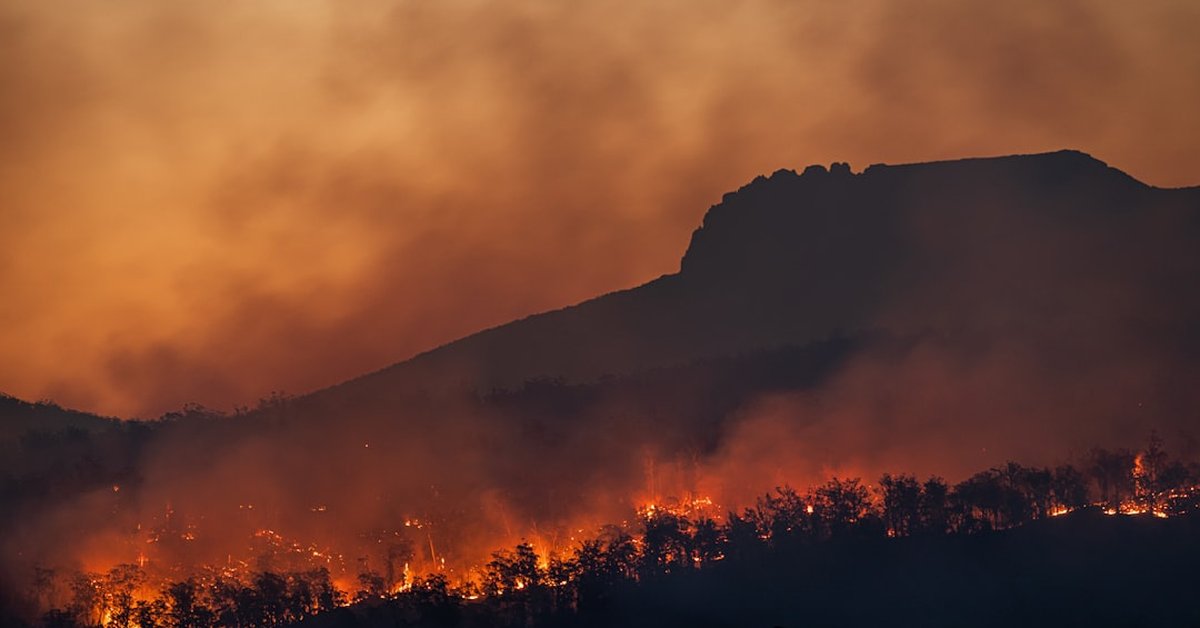
I woke up last Saturday in Chicago to a sky that looked like a sepia filter had been draped over the entire city. The air smelled like a campfire that had been smoldering for days — which, essentially, it had. My neighbor, a retired firefighter, stood on his porch shaking his head. “This ain’t normal,” he said. He wasn’t wrong. Smoke from hundreds of Canadian wildfires had drifted south, turning the Great Lakes region into an inadvertent test lab for how long people can hold their breath. Forecasters say the worst conditions hit on Sunday, with air quality alerts stretching from Detroit to Cleveland to Toronto. But the question everyone’s asking — will it clear? — has a surprisingly optimistic answer, at least for the short term.
The Anatomy of a Smoke Event
This isn’t the first time wildfire smoke has blanketed the Midwest and Northeast this summer. Back in June, plumes from Quebec turned New York City’s skyline orange and sent hospital visits for asthma soaring. Toronto, New York, and DC topped the global pollution list that week, with PM2.5 levels hitting “hazardous” on the Air Quality Index. This time around, the fires are concentrated in northern Ontario and Manitoba, where lightning ignited tinder-dry boreal forest. The smoke has been funneled south by a stalled low-pressure system—a kind of atmospheric bottleneck that keeps the fine particles trapped over the region.
Dr. Elena Rodriguez, an atmospheric scientist at the University of Michigan, explained it simply: “When you have a stationary high-pressure ridge over the eastern U.S., it acts like a lid. The smoke can’t escape, and it just recirculates. That’s why we’ve seen multiple days of unhealthy air.” On Sunday, the Air Quality Index in parts of Michigan hit 275, a level deemed “very unhealthy.” Schools canceled outdoor sports, airlines warned of visibility issues, and stores sold out of N95 masks. Again.
The scale is staggering. According to the AirNow.gov monitoring network, more than 80 million people across the U.S. and Canada were under some form of air quality advisory over the weekend. That’s roughly one in four North Americans breathing air that the EPA says is unsafe for prolonged exposure. And the health toll? Shortness of breath, stinging eyes, headaches — I talked to a jogger in Detroit who said she felt like she’d run a marathon after just three blocks.
Forecast: When Will the Smoke Lift?
The good news — and it’s genuinely good — is that meteorologists see a shift coming. A cold front sweeping down from Canada is expected to push the smoke eastward and then out to sea by Tuesday evening.
“We’re looking at a significant improvement by midweek,” said Mark Hernandez, a lead forecaster at the National Weather Service’s Chicago office. “By Wednesday morning, most of the Great Lakes region should see AQI levels drop back into the moderate to good range.” He warned, however, that if new fires ignite — and with lightning storms forecast — the situation could reverse quickly. “It’s like a game of whack-a-mole with these plumes.”
For cities like Cleveland, Buffalo, and Toronto, the relief can’t come soon enough. But for communities farther west — say, Winnipeg or Saskatoon — the smoke hasn’t even peaked. Hernandez added that “the same front might actually pile more smoke into parts of Ontario before it clears the east. It’s messy.”
Meanwhile, NOAA’s smoke forecast models show the plume thinning significantly by Thursday, with only lingering haze near the U.S.-Canada border. Still, the unpredictability of wildfires — fueled by drought and record heat — means that “clear” is a relative term. The smoke might drift away, but the source isn’t going anywhere.
Health Risks and What You Can Do
Fine particulate matter, or PM2.5, is the big villain here. These particles are 30 times smaller than a human hair. They bypass the nose and throat, burrow into lung tissue, and even enter the bloodstream. Short-term exposure can trigger asthma attacks, heart arrhythmias, and strokes. Long-term? Studies link it to reduced lung function and premature death.
“I tell my patients: if you can smell smoke, you’re already being exposed,” said Dr. Nadia Patel, a pulmonologist at the Cleveland Clinic. “Don’t rely on the smell alone. Check the AQI hourly. If it’s above 150, everyone should limit outdoor activity. If it’s above 200, even healthy adults should avoid exertion.”
She recommends staying indoors with windows sealed, running HEPA air purifiers, and wearing N95 or KN95 masks if you must go out. Cloth masks? “They won’t cut it,” Patel said. “You need a tight seal.”
The CDC’s guide on particle pollution also advises keeping indoor air clean by avoiding activities like burning candles, vacuuming, or frying food. And if you have a central AC system, use the recirculate setting — don’t pull in outside air. These are small steps, but they matter when the smoke turns your neighborhood into an orange haze.
A Changing Climate and the Politics of Wildfire
This smoke event isn’t happening in a vacuum. Canada’s wildfire season is already one of the worst on record, with over 25 million acres burned — more than twice the previous annual average. Climate scientists link the severity to hotter, drier conditions that make fire seasons longer and more intense. That raises a tough question: how do we prepare for a future where weeks of toxic air become routine?
The answer is complicated, and not just scientifically. The Trump administration recently slashed funding for wildfire research and prevention, a move that critics say leaves agencies flying blind. Trump Administration’s Cuts Put Wildfire Research in the Crosshairs, undermining efforts to forecast smoke and mitigate damage. Meanwhile, Canada’s firefighting workforce is stretched thin, with resources diverted from province to province.
Look, I’m not a policy wonk. But standing in that hazy Chicago morning, I wondered if we’re treating these events as freak accidents rather than the new baseline. The smoke will clear on Tuesday — probably. But next summer? The summer after that? Without sustained investment in fire science, early warning systems, and climate adaptation, we’re just waiting for the next plume.
So, breathe easy — for now. The air will get better. And then we’ve got to do the hard work of keeping it that way.
Frequently Asked Questions
When exactly will the smoke clear from the Great Lakes region?
Forecasters predict the worst conditions through Sunday, with a cold front pushing the smoke eastward by Tuesday evening. By Wednesday morning, most areas should see Air Quality Index levels drop back to “moderate” or “good.” However, local conditions may vary, and new fires could delay improvement.
How can I protect myself from wildfire smoke indoors?
Keep windows and doors closed. Use a HEPA air purifier if available. Set your HVAC system to recirculate mode. Avoid vacuuming, burning candles, or cooking that produces smoke. Wear an N95 or KN95 mask if you must go outside — cloth masks do not filter fine particles.
Why is wildfire smoke so bad this year?
Canada is experiencing its most severe wildfire season on record, with over 25 million acres burned. Hot, dry conditions linked to climate change have created tinder-dry forests. Lightning and human activity have ignited fires that produce enormous smoke plumes, which are then carried south by wind patterns.