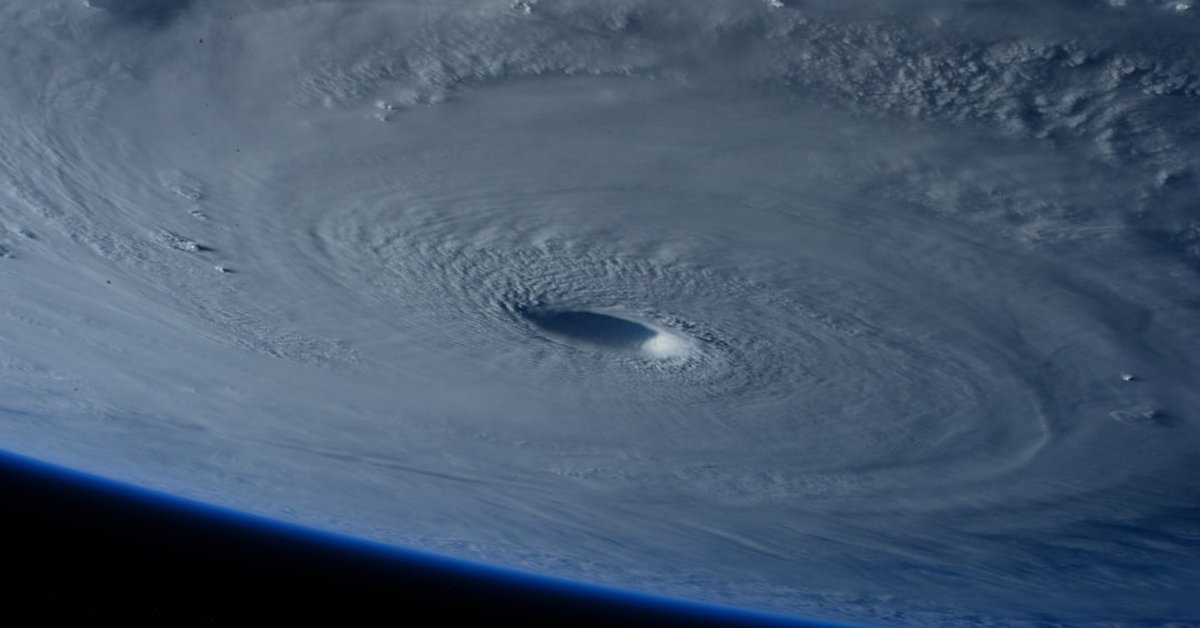








The rain didn’t stop for three days. In the mountain villages of Luzon, the sound of water became a constant hum — until the crack of breaking earth. At least 15 people are dead, buried under mud and debris, as Typhoon Bavi churns across the Pacific, a 1,000-kilometer-wide behemoth now barreling toward Taiwan and southeastern China.
Bavi, which meteorologists say is among the strongest storms to hit East Asia in decades, is expected to make landfall on Taiwan’s eastern coast late Wednesday before sweeping into China’s Fujian province. The storm’s sheer size — spanning nearly the distance from New York to Chicago — means even areas far from the eye will feel its wrath. Winds at the center have already reached 240 km/h (150 mph), equivalent to a Category 4 hurricane, and forecasters warn the typhoon could intensify further over the warm waters of the Philippine Sea.
A Mountain of Rain, a Wall of Mud
Before Bavi even arrived, its outer bands unleashed relentless downpours across the Philippines’ northern Luzon region. The result: devastating landslides that swept away homes, roads, and bridges. In the farming town of Itogon, rescue workers pulled six bodies from a single hillside that collapsed at dawn. “The ground was already saturated from weeks of rain,” says Maria Santos, disaster response coordinator for the Philippine Red Cross in Benguet province. “The landslides were inevitable. We lost entire families — children, grandparents, everyone.”
In nearby Baguio City, a popular mountain retreat, mudslides swallowed a cluster of makeshift houses, killing four. Across the region, at least 15 deaths have been confirmed, with a dozen still missing. The Philippine Atmospheric, Geophysical and Astronomical Services Administration (PAGASA) recorded rainfall totals exceeding 400 mm in some areas — more than three times the October average — in just 72 hours. “The ground couldn’t take any more water,” Santos adds. “When the mountains gave, there was nowhere to run.”
Bavi’s broad circulation, combined with a stalled monsoon trough, created a firehose of moisture aimed at Luzon. That’s a pattern scientists warn is becoming more common as ocean temperatures rise. Reuters reports that the typhoon is now the strongest this late in the year in over a decade, a worrying sign for a region still recovering from previous storms.
Taiwan and China Brace for Catastrophic Winds
Farther north, Taiwan has declared a land warning and ordered evacuations of high-risk areas, including the mountainous Hualien and Taitung counties. The island’s Central Weather Administration (CWA) says Bavi’s eyewall — an inner ring of the storm’s most violent winds — is likely to pass directly over the eastern coast. “Bavi is a textbook example of a super typhoon undergoing rapid intensification,” says Dr. Kenji Tanaka, senior meteorologist at the Japan Meteorological Agency. “Its eye is now the size of a small city — roughly 40 kilometers across — and the pressure drop is extreme. That means winds will be crushing.”
In China, authorities in Fujian and Zhejiang provinces have issued red alerts, the highest possible, and begun moving fishing boats back to port. More than 150,000 people have been evacuated from coastal areas, according to state media. Bavi’s projected path would bring it within 100 kilometers of Shanghai, China’s largest city, by Friday. While the storm is expected to weaken slightly before reaching land, its storm surge could still flood low-lying neighborhoods. The Joint Typhoon Warning Center notes that the typhoon’s eye is remarkably symmetrical, a sign of a well-organized system that can maintain its intensity longer than usual.
But extreme weather doesn’t respect borders. Just this week, the UK scorched through its 8th day above 34°C with no relief in sight — a reminder that the climate crisis is rewriting weather patterns everywhere. And far away, global warming threatens the Amazon’s medicinal plants, a study warned, underscoring the interconnectedness of our planet’s systems.
What It Means for the People in the Storm’s Path
For the millions of people in Taiwan and China, Bavi is not just another typhoon. It’s a test of preparedness in an era of intensifying storms. Taiwan’s infrastructure — including its high-speed rail and nuclear plants — has been hardened against typhoons, but a storm of this magnitude can still knock out power for days. In the Philippines, where deforestation and unregulated mining have stripped hillsides of their roots, the landslides were a tragedy waiting to happen. “We knew this was coming,” says Santos. “But we didn’t have the resources to move everyone.”
Meteorologists say Bavi’s strength is tied directly to sea surface temperatures in the Philippine Sea, which are running 1–2°C above average. Warmer water provides more energy for storms, fueling faster intensification. “This is exactly what climate models have been predicting for the western North Pacific,” says Tanaka. “We expect more Category 5-equivalent storms, and they will arrive earlier and linger longer.” That means the window for preparation is shrinking, even as the stakes grow.
As Bavi closes in, the question isn’t just whether infrastructure will hold — it’s whether the region’s emergency systems are ready for a world where storms like this become the new normal. For the families in Luzon burying their dead, that reality has already arrived.
Frequently Asked Questions
How strong is Typhoon Bavi expected to be? As of latest advisories, Bavi has sustained winds of 240 km/h (150 mph), equivalent to a Category 4 hurricane, with gusts up to 300 km/h. Forecasters expect it to maintain super typhoon intensity through landfall in Taiwan and weaken only slightly before reaching China.
What caused the landslides in the Philippines? Days of torrential rain from Bavi’s outer bands saturated already waterlogged mountainsides in Luzon. Deforestation and mining activity loosened soil, making slopes unstable. The result was multiple landslides that buried communities with little warning.
How are Taiwan and China preparing for the storm? Taiwan has issued land warnings, evacuated vulnerable coastal and mountain areas, and mobilized military rescue units. China’s Fujian and Zhejiang provinces have activated highest-level alerts, evacuated over 150,000 people, and halted ferry and rail services. Both are distributing emergency supplies and sandbags for flood protection.