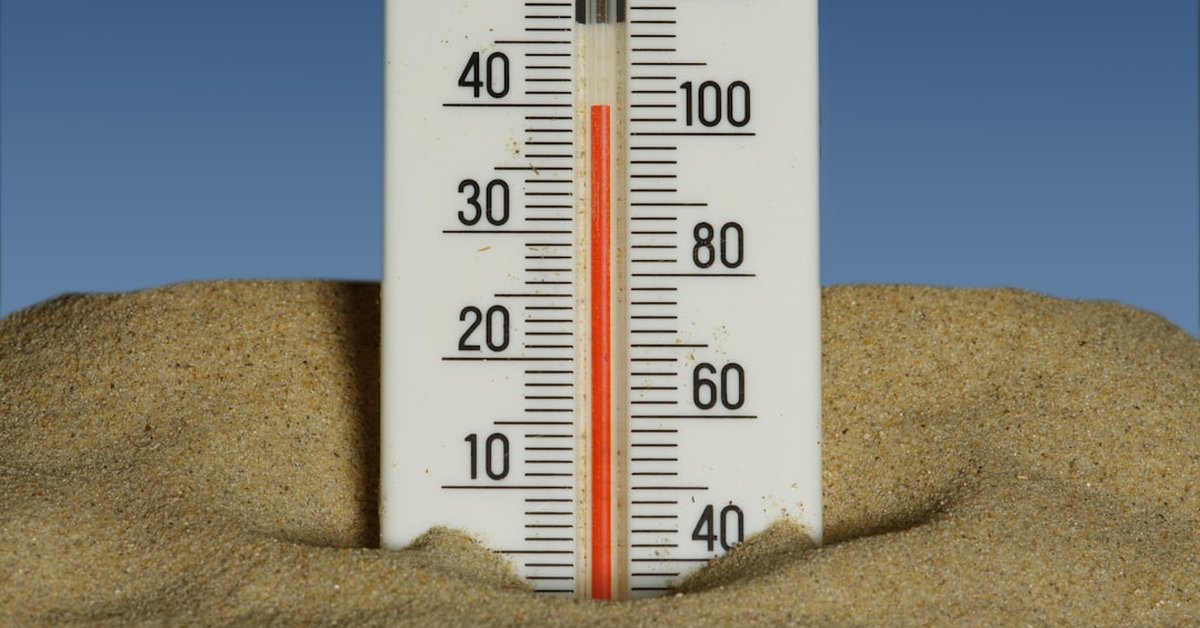







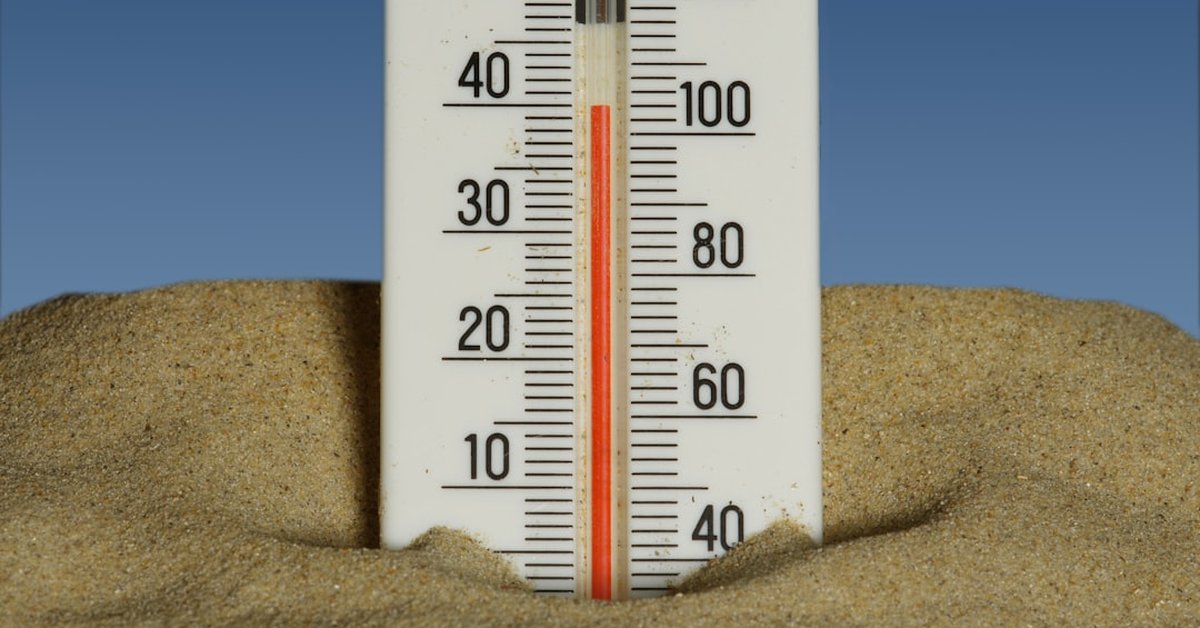
I stepped out of my flat in London yesterday and it felt like opening an oven door. The pavement shimmered. My phone screen read 35°C — and that was in the shade. By mid-afternoon, the Met Office had confirmed what many of us already felt in our bones: Thursday marked the eighth day this year where temperatures climbed past 34°C, breaking the previous record of seven such days in a single calendar year. And the forecast? More of the same, possibly worse, into next week.
This isn’t just a hot spell. It’s a rewriting of what British summers can be. And for millions without air conditioning, it’s becoming a dangerous new normal.
How We Got Here: A Record-Breaking July
The numbers are stark. According to the Met Office, Thursday’s high of 35.1°C at Heathrow pushed the count of 34°C-plus days to eight — eclipsing the old mark set back in 1976, the year of that legendary drought. But 1976 was a freak event; this feels like a pattern.
Dr. Emily Wallace, a climate scientist at the Met Office, told me: “What we’re seeing is consistent with climate change projections. The frequency of extreme heat events in the UK has increased, and the intensity has ramped up. A 34°C day was once a rarity. Now it’s becoming a benchmark.”
And it’s not just the raw numbers. Look at the duration. The current heatwave has locked in for over a week, with nighttime temperatures barely dipping below 20°C in many urban areas. That lack of overnight relief is what makes this particularly brutal for human health.
The UK Health Security Agency has issued amber heat-health alerts across most of England, urging people to check on elderly neighbours, stay hydrated, and avoid the sun during peak hours. Ambulance services report a surge in heat-related calls.
Living Without AC: A Luxury No More
Here’s the thing about British homes — they were built to trap heat. Thick brick walls, single glazing, and a cultural aversion to air conditioning that’s finally starting to crack. Walk into any electronics shop right now and you’ll see portable AC units flying off shelves. But they’re expensive to run, and installation for fixed systems can run into thousands of pounds.
I spoke to Sarah Chen (no relation), a mother of two in Birmingham, who described trying to keep her flat cool. “We’ve got fans going 24/7. The kids can’t sleep. I’m dreading the electricity bill.” Her story is repeated across the country. For deeper insight into the costs and options, read our piece on AC in the UK: Cost, Options, and Why It’s No Longer a Luxury.
The National Grid has said it expects demand to remain manageable, but transformer failures have already triggered localised blackouts in parts of East Anglia. And the rail network? Speed restrictions are in place across large swaths of the country to prevent tracks buckling. Delays are expected through the weekend.
What This Means for Health, Infrastructure, and the Future
Heat kills. It’s not as dramatic as a hurricane, but it’s deadlier. The UK’s excess deaths during heatwaves are well documented — the 2022 heatwave, when temperatures hit 40°C for the first time, saw nearly 3,000 excess deaths. We’re not there yet, but the trajectory is worrying.
Dr. James Pearce, a public health professor at the University of Bristol, explained: “Our bodies are not adapted to sustained heat. The cardiovascular system struggles, kidneys fail, and pre-existing conditions worsen. The young, the old, and the chronically ill are most at risk. But even healthy adults can suffer heatstroke if they’re not careful.”
The NHS has issued guidance on staying cool, but the reality is that many people — especially in rented accommodation — simply don’t have the means to adapt. Landlords are under no obligation to provide cooling, unlike heating in winter.
This heatwave is also a harbinger. As global temperatures rise, what was once exceptional becomes routine. The UK is slowly waking up to the need for heat-resilient housing, urban green spaces, and a serious conversation about air conditioning. But we’re playing catch-up.
For a broader perspective on how climate change is reshaping ecosystems and even shifting climate zones, check out our article on Vienna and Bratislava: Earth’s Northernmost Subtropical Cities at 48°N? — it shows that the UK isn’t alone in this transformation.
Looking Ahead: Next Week and Beyond
The Met Office outlook for next week shows little change. High pressure remains parked over Scandinavia, dragging hot continental air across Britain. Temperatures could hit 36°C in parts of the Midlands and East Anglia by Tuesday. Some models even flirt with 37°C. The heatwave may not break until late next week, if at all.
So what do we do? We adapt. We check on neighbours. We demand better building standards. We start treating heat like the emergency it is. Because the old British summer — the one of sporadic sunny days and the occasional ice cream — is gone. This is what we’ve got now. And it’s only going to get hotter.
Frequently Asked Questions
Why is this UK heatwave so unusual?
It’s not just the peak temperatures but the duration. Eight days above 34°C in a single year is unprecedented. The previous record was seven days, set in 1976. Climate change is making such prolonged heat events more likely and more intense.
How can I stay safe during the heatwave?
The NHS advises staying indoors during the hottest part of the day (11am-3pm), drinking plenty of water, wearing light clothing, and checking on vulnerable family and neighbours. Avoid strenuous exercise. If your home is too hot, consider spending time in air-conditioned public spaces like libraries or shopping centres.
Will air conditioning become standard in UK homes?
It’s increasingly likely. The UK’s building regulations currently don’t require cooling systems, but as heatwaves become more common, demand is rising. Portable AC units are selling out, and many new builds are starting to include heat pumps that can also cool. However, cost remains a barrier for many households.