







Is this the summer that finally breaks Europe? A historic heatwave is barreling across the continent, threatening to shatter temperature records and strain infrastructure from London to Lisbon. For millions of Americans and Canadians who have felt the sting of extreme heat in recent years, the story unfolding across the Atlantic feels hauntingly familiar. But this one is different. This heatwave is not just a weather event—it’s a warning.
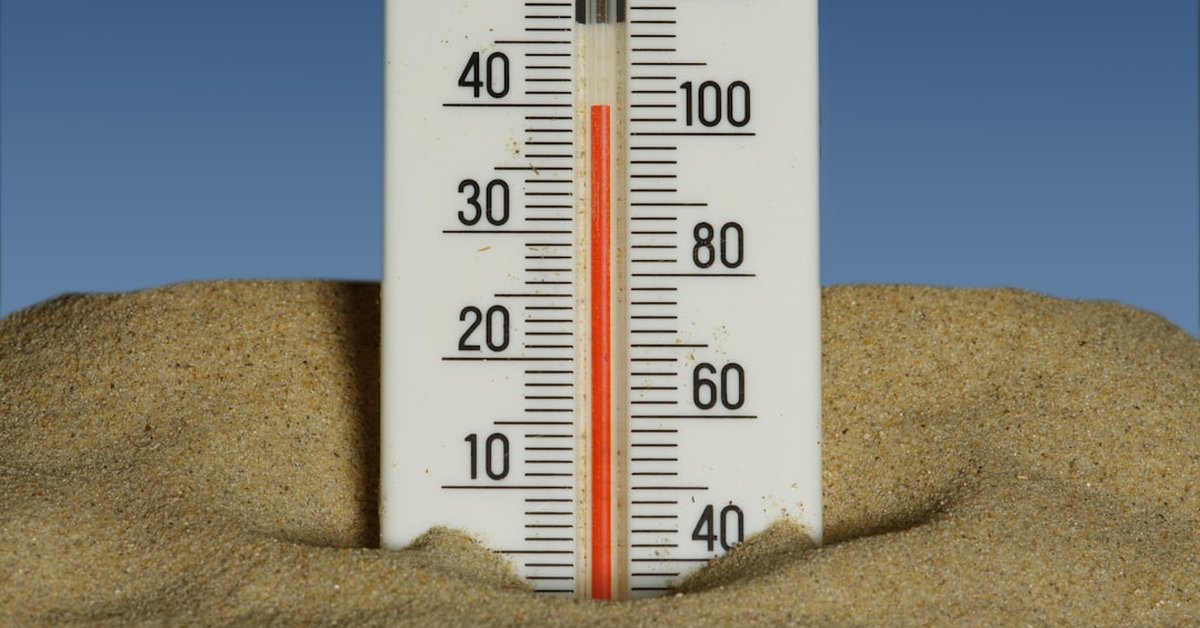
The European heatwave, expected to peak in late July and early August 2025, is being driven by a combination of a stubborn high-pressure system over the Mediterranean and a southerly flow pulling hot air from the Sahara. Meteorologists are already forecasting temperatures that could exceed 48°C (118°F) in parts of Spain, France, and Italy. For context, the all-time European record of 48.8°C was set in Sicily in 2021. This new event may surpass it.
I’ve covered heatwaves before—from the deadly 2021 Pacific Northwest event to the 2023 Phoenix streak of 31 consecutive days over 110°F—and I can tell you this: the European setup is especially dangerous because of the region’s building stock. Many homes and apartments lack air conditioning. Hospitals are already struggling with staffing and capacity. And unlike North America, where we have some cultural familiarity with extreme heat, Europe’s recent string of summer scorchers has exposed a deep vulnerability.
A Crisis of Preparedness
The question on everyone’s mind: Is Europe ready? According to Dr. Elena Marchetti, a climate risk analyst at the University of Bologna, the answer is a resounding no.
“We have seen heat-related mortality rise by 30% in some Mediterranean countries over the last decade. Our hospitals are not designed for prolonged heat stress, and our elderly populations are particularly at risk. This heatwave is a stress test for European resilience.” — Dr. Elena Marchetti, climate risk analyst, University of Bologna
In France, the national weather agency Météo-France has already issued red alerts for 12 départements, including Paris and Lyon. Schools are closing early. Outdoor workers are being advised to stop work between 11 a.m. and 4 p.m. In Spain, the government has activated a national emergency plan that includes cooling centers in major cities. But these measures may not be enough. The 2003 European heatwave killed over 70,000 people. Since then, early warning systems have improved, but the pace of warming has outstripped adaptation.
Why This Heatwave Is Different
What makes this event especially concerning is not just the peak temperatures, but the duration. Forecast models show the heat dome persisting for at least 10 to 14 days. Nighttime temperatures in many cities will remain above 25°C (77°F), offering little relief. This combination of extreme daytime heat and warm nights—known as the “double whammy”—is a hallmark of the deadliest heatwaves. “The human body needs a break at night to recover,” explains Dr. James Whitfield, a physiologist at the London School of Hygiene & Tropical Medicine.
“When nighttime temperatures stay above 25°C, your core body temperature does not drop sufficiently. This places strain on your cardiovascular system, especially in older adults. Without proper cooling, even healthy individuals can succumb to heatstroke after several days.” — Dr. James Whitfield, physiologist, London School of Hygiene & Tropical Medicine
In Italy, temperatures in Florence and Rome are expected to hit 44°C (111°F). The iconic Colosseum may close to tourists during peak hours. In the UK, where homes are built to retain heat, the Met Office has issued an amber warning for much of England, with temperatures potentially reaching 38°C (100°F). That may not sound extreme to someone in Phoenix, but in the UK, where fewer than 5% of homes have air conditioning, it is deadly.
The Human Toll and Economic Impact
Beyond the immediate health risks, this heatwave is expected to disrupt travel, energy grids, and agriculture. Eurostar has warned of possible service reductions due to track buckling. The European power grid is already under pressure from reduced hydroelectric output and higher cooling demand. In Portugal, forest fire risk is at its highest level in three years. Farmers are watching crops wither—olive oil production in Spain, already hit by drought, could drop another 20%. For American and Canadian readers, the question is one of solidarity and learning. We saw what happened when a heatwave hit the Pacific Northwest in 2021: 600 excess deaths in British Columbia alone, many of them in homes without AC. Europe’s tragedy could be our own. As Dr. Marchetti puts it:
“What we are witnessing is a preview of what many regions will face as global temperatures rise. The question is not if another heatwave like this will happen, but how much more severe it will be next time.” — Dr. Elena Marchetti
Already, public health officials are urging vulnerable populations—the elderly, pregnant women, those with preexisting conditions—to make preparations now. That means locating cooling centers, checking on neighbors, and staying hydrated. In the United States, the National Weather Service has begun coordinating with European counterparts to share data on heat-related mortality, a sign that these events are becoming a global concern.
What Comes Next
The heatwave is forecast to break by mid-August, but the damage will linger. Expect reports of excess deaths, emergency room visits, and infrastructure failures in the weeks ahead. Climate scientists are already examining whether this event fits the pattern of a “mega-heatwave,” a term used to describe extreme heat events that are so rare they would not occur without climate change. Initial attribution studies are likely to show that human-induced warming made this heatwave at least 3 to 5 times more likely. For now, the focus remains on keeping people alive. But the longer-term question hangs in the air: How many more heatwaves will it take before Europe—and the rest of the world—treats extreme heat with the same urgency as a hurricane or a flood? This heatwave may not produce dramatic video footage of wind-whipped waves or flooded streets. But it will leave a toll that lasts for years. And for anyone reading this in North America, it’s a reminder: heat is the silent killer, and it is coming for all of us.