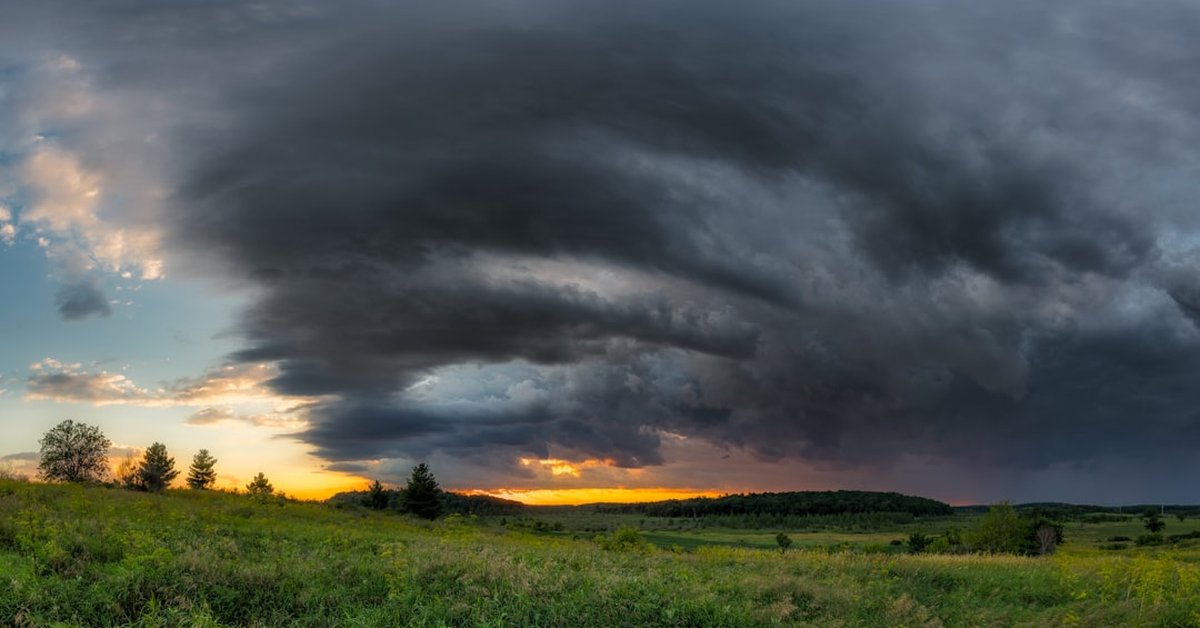






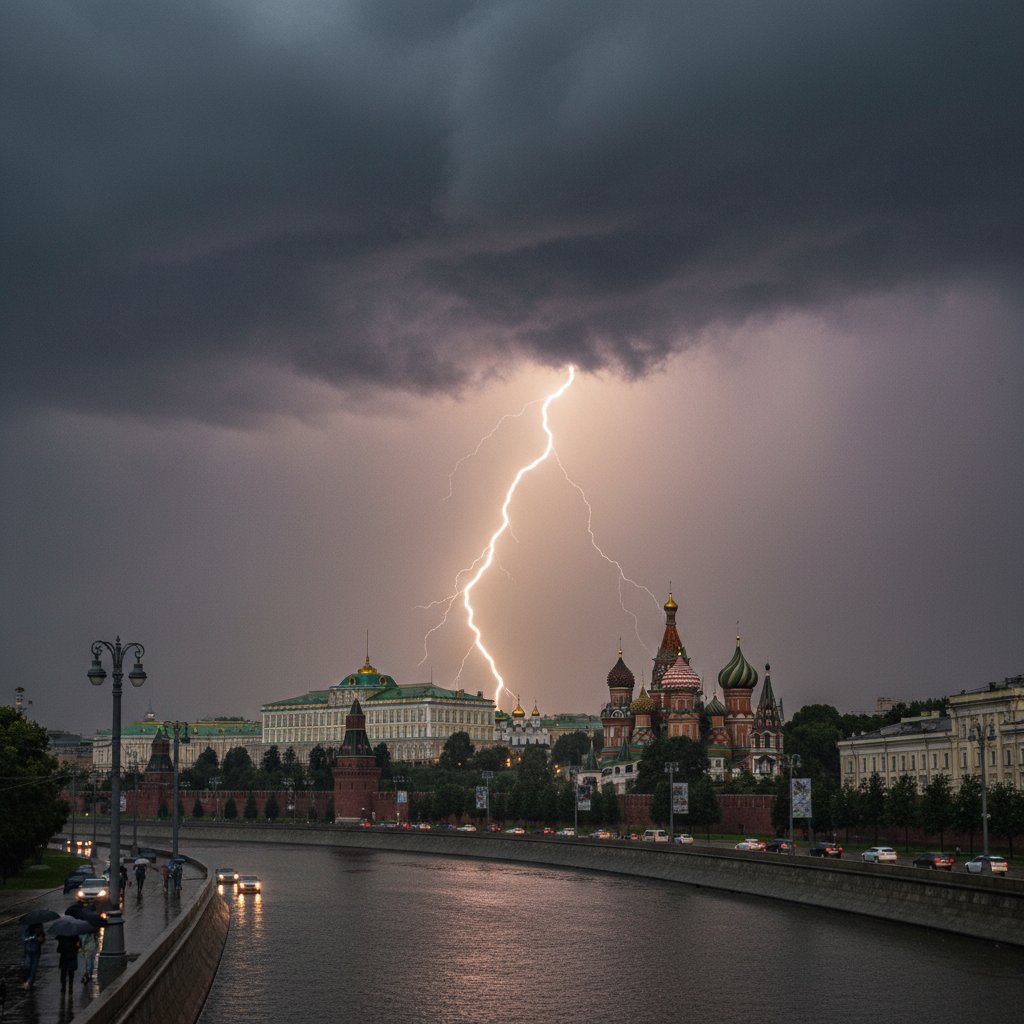
The sky over Moscow turned an unnatural shade of green yesterday afternoon, a harbinger of the chaos that was about to unfold. Within minutes, the city was pelted by golf-ball-sized hailstones, and streets transformed into raging rivers. It was a weather event that residents will not soon forget.
“I’ve never seen anything like it,” said Natalia Petrova, a 34-year-old office worker who was caught in the storm while walking home. “The hail came down so hard it broke car windows. Water rose to my knees in less than ten minutes.”
The sudden onslaught began around 3:45 PM local time, catching the city of 12 million off guard. Meteorologists had forecast thunderstorms, but none predicted the ferocity of what was about to hit. By 4:30 PM, emergency services had received over 2,000 calls for help.
A City Unprepared
Moscow is no stranger to extreme weather. Winters are brutal, and summer thunderstorms are common. But a hailstorm of this magnitude is exceedingly rare in the Russian capital. In just over an hour, 45 millimeters of rain fell — more than half of July’s average. The city’s drainage system, designed with snowmelt in mind, was quickly overwhelmed.
“This was a classic case of a supercell thunderstorm,” said Dr. Alexei Volkov, a senior meteorologist at the Russian Hydrometeorological Centre. “We had a very unstable atmosphere with warm, moist air colliding with a cold front. The updrafts were strong enough to keep large hailstones suspended until they grew to an unusual size.”
Social media exploded with videos of hailstones covering streets like a winter snowstorm. In some districts, the ice accumulated to depths of 10 centimeters. Cars were dented, and the glass roof of the GUM department store on Red Square had to be evacuated. No major injuries have been reported so far, but dozens of people sought medical treatment for minor cuts and bruises.
“I saw a man get knocked unconscious by a hailstone the size of a tennis ball,” said Dmitri Ivanov, a tour guide. “People were screaming and running for cover. It was apocalyptic.”
The Science Behind the Storm
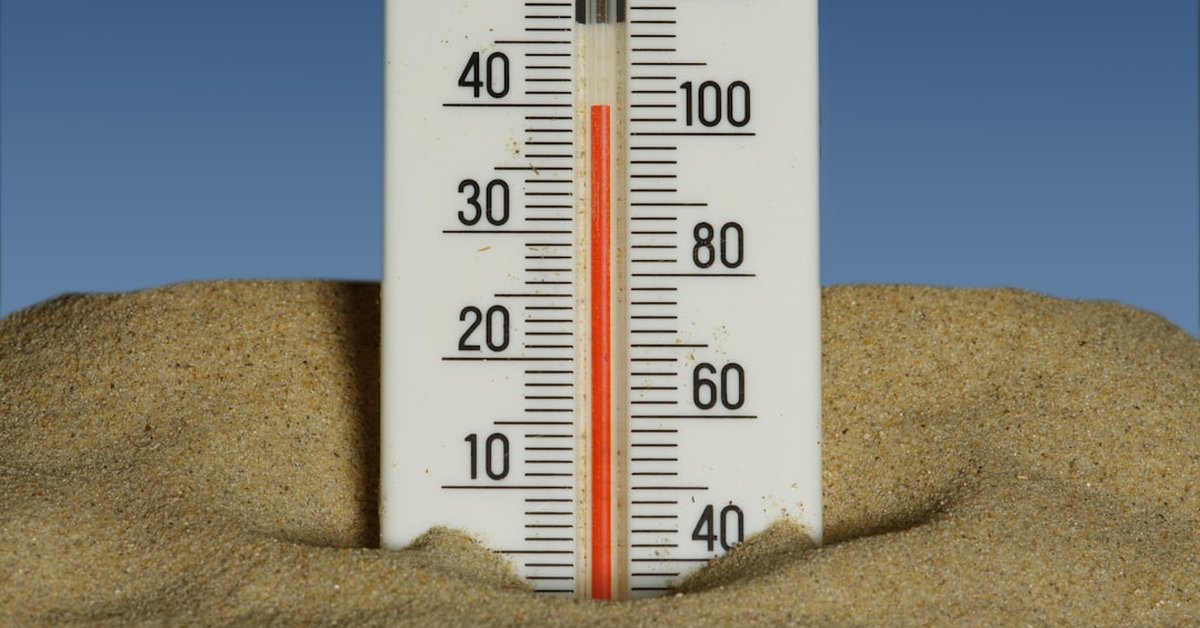
While summer thunderstorms are common, the intensity of this storm has raised eyebrows. Meteorologists point to a phenomenon often linked to a warming climate: the increase in available energy for storms. “Warmer air holds more water vapor,” explained Dr. Volkov. “When you add that to the usual summer heat in Moscow, you get the potential for more extreme precipitation and larger hail.”
The storm produced not only hail but also damaging winds gusting up to 90 kilometers per hour. Trees toppled, power lines snapped, and at least 15,000 lightning strikes were recorded across the metropolitan area. The city’s emergency services were stretched thin, with fire crews responding to over 100 incidents of flooding in basements and underpasses.
Dr. Elena Sokolova, a climatologist at Moscow State University, noted that such events are becoming more frequent. “In the last decade, we’ve seen a clear trend: storms that used to happen once every 50 years are now occurring every 5 or 10 years. This is consistent with climate models for the region.”
For Moscow, the implications are stark. The city’s infrastructure — its drainage systems, its roads, its buildings — was built for a climate that no longer exists. “We need to invest heavily in adaptation,” said Dr. Sokolova. “That means upgrading stormwater systems, reinforcing roofs, and updating building codes to withstand larger hail and stronger winds.”
What This Means for Moscow’s Future
Yesterday’s storm was a wake-up call. For years, many Muscovites considered climate change a distant problem. Now, it is knocking on their doors — literally. The cleanup will take days, and the insurance claims will run into the millions of dollars. But the bigger question is what happens next.
“This was not an anomaly,” said Dr. Volkov. “We should expect more of these events in the coming years. The question is whether we are ready to face them.”
Moscow’s city government has already begun discussing emergency response reforms. Temporary shelters were set up for residents whose apartments were flooded, and engineers are inspecting damaged buildings. But long-term planning is lagging. “We are always reacting, never preparing,” lamented one city council member who spoke on condition of anonymity.
The storm also highlighted societal inequities. Wealthy districts with modern drainage and underground parking fared better than older, poorer neighborhoods. In the suburb of Lyubertsy, residents reported that water entered ground-floor apartments, destroying furniture and appliances. “We have nothing left,” said Olga Smirnova, a retired teacher. “The water came in so fast we couldn’t save anything.”
Recovery and Resilience
As the sun rose this morning over a battered Moscow, the scale of the damage became clear. Hail-damaged cars lined the streets like wounded soldiers. fallen trees blocked major thoroughfares. Workers in orange vests began the slow process of clearing debris and pumping water from flooded buildings.
The weather forecast offers little relief: more thunderstorms are possible later in the week. Emergency services remain on high alert. For the people of Moscow, the memory of yesterday’s storm will linger. “I used to think that hailstorms were something that happened only in America or somewhere far away,” said Natalia Petrova. “Now I know better.”
Looking ahead, experts say Moscow must rethink its relationship with the sky. Climate change is no longer a theoretical threat — it is a daily reality. The storm yesterday was a warning. The next one may be worse. How the city prepares for that future will determine not only its safety but its resilience in an era of extreme weather.