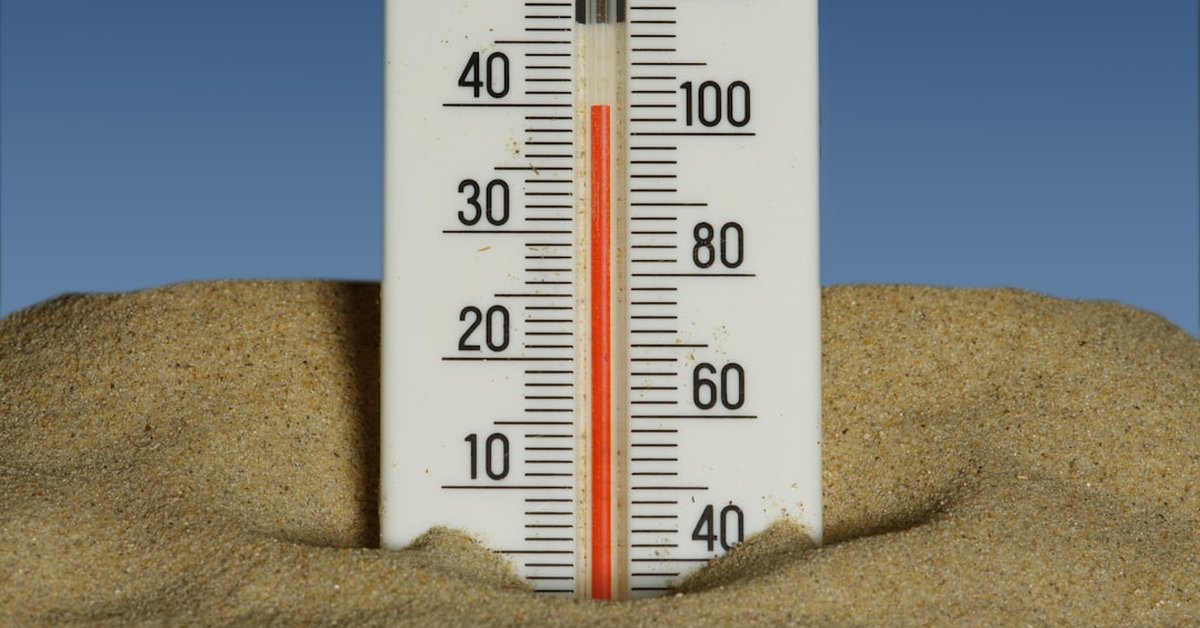







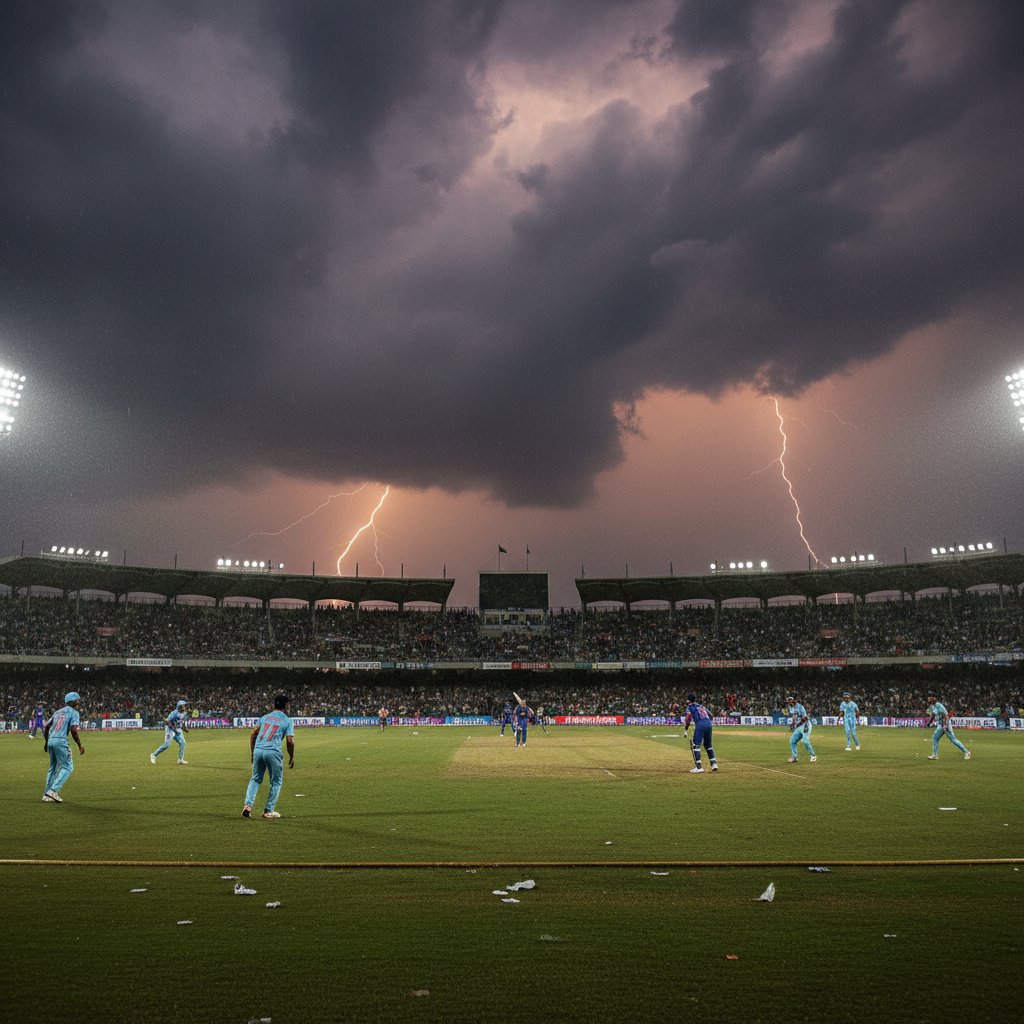
In June 2024, as India faced Afghanistan in a T20 World Cup match in Barbados, temperatures in New Delhi soared to a record-breaking 52.3°C (126.1°F). That same week, a heat wave linked to India’s cricket season claimed at least 200 lives across the subcontinent. This is not just a cricket story; it’s a climate story—a stark reminder that extreme weather, exacerbated by global warming, is reshaping the games we love and the lives we lead.
The match itself was a spectacle of athleticism and strategy, with India clinching a narrow victory. But for millions of fans watching from home, the real drama unfolded not on the pitch, but in the sweltering streets and homes where air conditioning is a luxury. In Bihar, a state with one of India’s highest cricket viewerships, 14 people died from heatstroke during the match day, their bodies found in makeshift cooling centers that were overwhelmed.
The Heat Wave’s Human Toll
India’s heat wave in late June 2024 was no anomaly. According to the India Meteorological Department (IMD), the country experienced its hottest June in 123 years, with average temperatures 2.1°C above the historical norm. The convergence of cricket fever and extreme heat turned deadly: hospitals in Uttar Pradesh reported a 300% increase in heat-related admissions during the India-Afghanistan match week.
“What we’re seeing is a perfect storm of climate change, population density, and cultural events,” says Dr. Anjali Sharma, a climate health researcher at the Indian Institute of Technology Delhi. “Cricket matches draw crowds into unshaded areas, and when temperatures hit 50°C, the human body simply cannot cool itself. These deaths are preventable, but our infrastructure is not keeping pace with the warming climate.”
For fans like Rajesh Kumar, a 34-year-old rickshaw driver in Delhi, the match was a brief escape from poverty. He watched it on a borrowed phone in a shaded alley, but the heat left him dizzy. “I love cricket, but last week, I saw three people collapse in my neighborhood during the game,” he said. “They were just watching, like me. The heat doesn’t care about your team.”
Cricket’s Climate Crisis
Cricket, a sport deeply woven into the fabric of South Asia, is now facing an existential threat from climate change. The International Cricket Council (ICC) has already rescheduled matches in India due to poor air quality and heat, but the problem is accelerating. A 2023 study by the University of Cambridge found that by 2050, 40% of cricket venues in India could face extreme heat conditions that make play impossible during summer months.
The India-Afghanistan match was played under floodlights in Barbados, a location chosen partly for its cooler evening temperatures. But even there, the players struggled. Afghanistan’s captain, Rashid Khan, was seen vomiting on the field after a particularly intense over. “It was like playing in an oven,” he told reporters post-match. “We are used to heat in Afghanistan, but this was different. The air was thick, and you could feel your heart racing.”
The connection between sports and extreme weather is not limited to cricket. This summer, the UEFA Euro 2024 in Germany faced unprecedented heat waves, and the Australian Open in January saw temperatures exceeding 40°C, forcing organizers to implement heat policies. Yet, cricket’s unique vulnerability lies in its long duration—test matches last five days, and even T20 games run for three hours in direct sunlight.
What This Means for the Reader
For readers in the US, UK, and Canada, the India-Afghanistan heat wave story is a cautionary tale. Climate change is not a distant problem; it’s already altering the conditions of everyday life, including the sports we watch. In the UK, where cricket is a summer staple, the Met Office has warned that heat waves could become 10 times more frequent by 2100. In the US, Major League Baseball has already moved some games to night slots to avoid midday heat.
But the human impact goes beyond sports. The same heat wave that killed cricket fans also disrupted power grids, caused crop failures, and forced millions into poverty. In Afghanistan, where cricket is a rare source of national pride, the heat wave exacerbated a drought that has left 20 million people facing food insecurity. “When the temperature rises, everything breaks,” says Dr. Sharma. “Health systems, agriculture, and even our ability to enjoy a simple game of cricket.”
“The idea that climate change is a future problem is a dangerous myth,” adds Dr. Mark Thompson, a climatologist at the University of Oxford. “We are seeing its effects in real time, from the cricket fields of India to the wheat fields of Kansas. The question is not whether we should act, but how quickly we can adapt.”
Looking Ahead: A Call for Resilience
As the dust settles on the India-Afghanistan match, the broader implications are clear. Sports organizations, from the ICC to local cricket boards, must rethink scheduling, infrastructure, and player safety. But the responsibility extends to governments and individuals. The heat wave that killed 200 people in India was not inevitable—it was amplified by carbon emissions, deforestation, and urbanization.
In the coming years, expect more matches to be shifted to cooler months or night slots. Expect stadiums to be retrofitted with cooling technologies and green roofs. But also expect more stories like Rajesh Kumar’s—ordinary people caught in the crosshairs of a warming planet. The next India-Afghanistan match might be played in a stadium with air conditioning, but the fans outside will still be baking.
Climate change is the ultimate opponent, and it’s winning. But as cricket teaches us, the game isn’t over until the last ball is bowled. The question is: will we adapt in time?