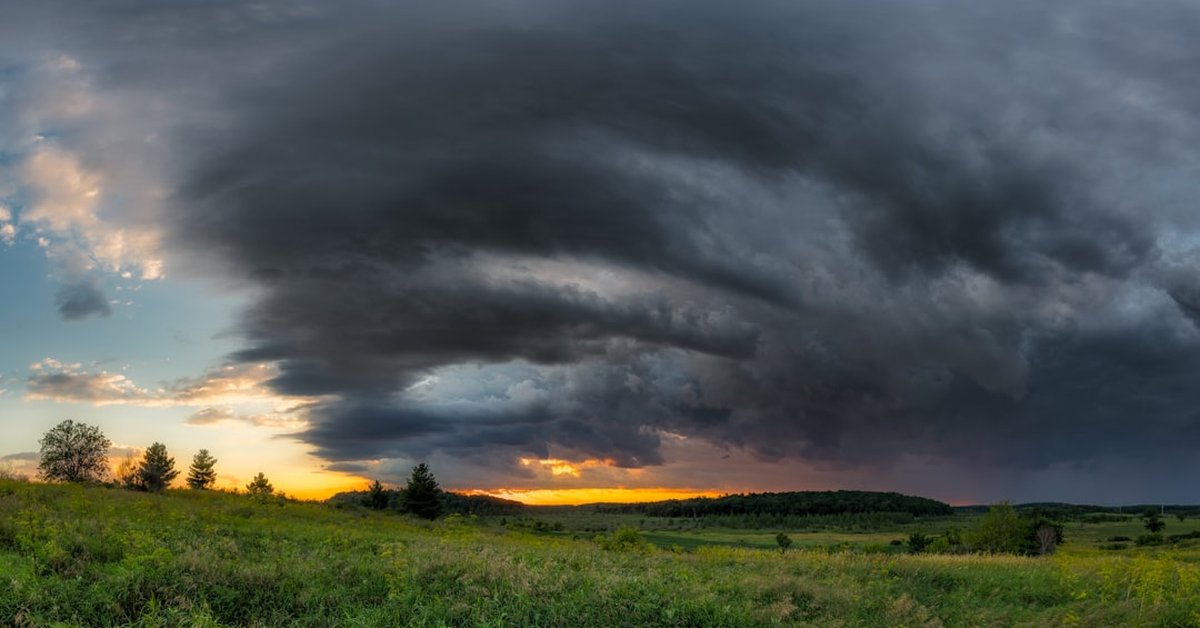







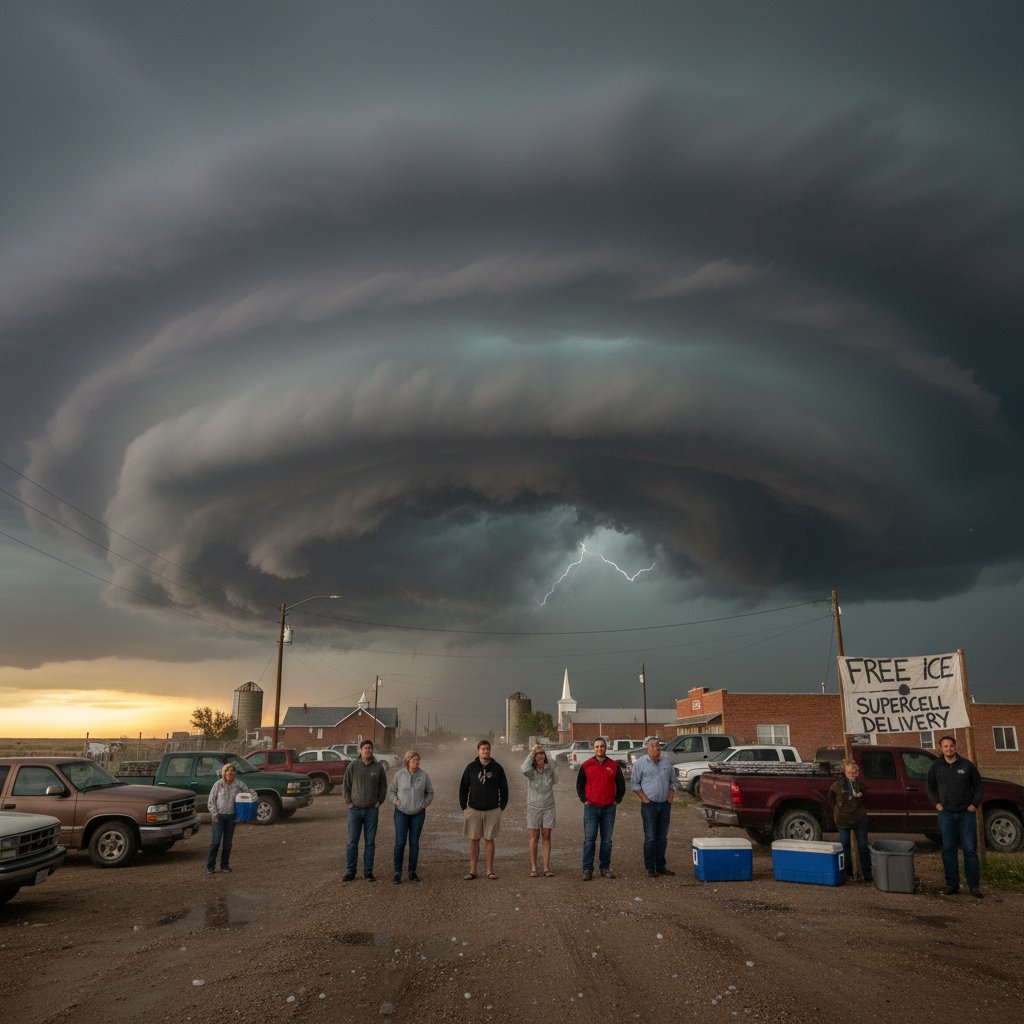
In the sprawling plains of eastern Colorado, the town of Flagler is used to a certain rhythm. The harvest, the wind, the wide-open sky. But yesterday, June 8, 2026, that sky turned violent. A supercell thunderstorm marched across Kit Carson County, dropping hail the size of baseballs and leaving a trail of shattered windows, battered crops, and a community suddenly reliant on a most unexpected form of aid: free cooler ice delivered by emergency crews.
For residents like Martha Kline, the wait for ice isn’t about convenience. It’s about survival. “I lost power at 4:30 PM yesterday,” she told our team, her voice cracking over a patchy cell signal. “My refrigerator is a warm box. The ice is for my husband’s insulin. We need it to last until the power company gets here.”
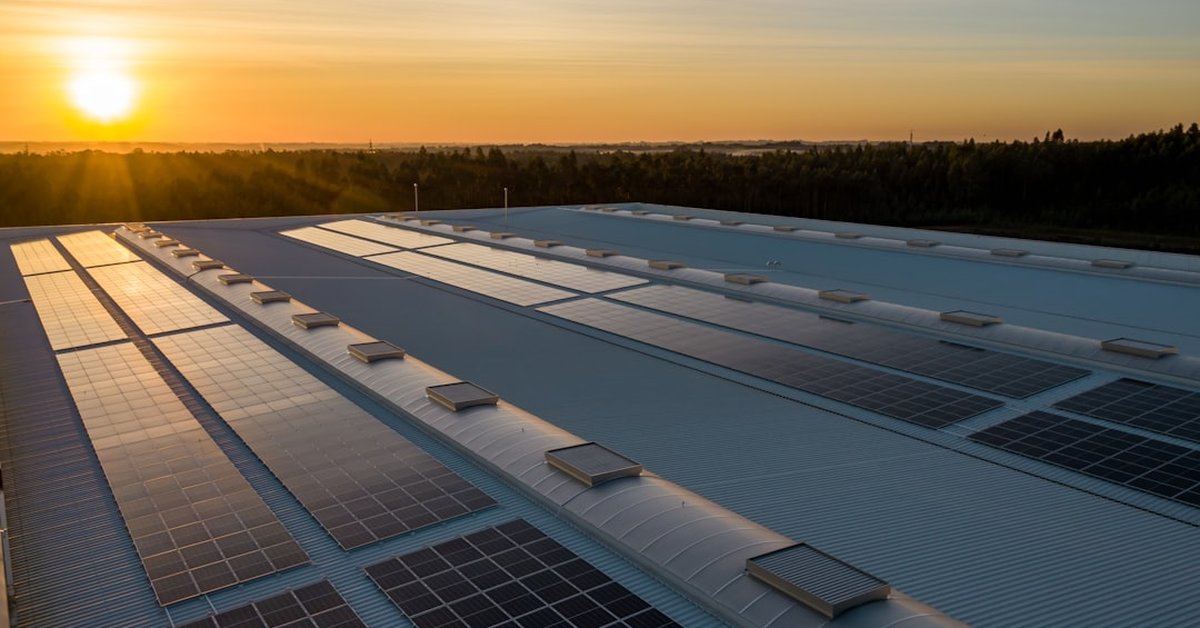
This is the new reality in Flagler. A storm that dropped up to 4 inches of rain in under an hour has also shredded the local infrastructure. The supercell, which meteorologists now classify as a high-precipitation (HP) supercell, carved a 20-mile path of destruction, with wind gusts estimated at 75 to 90 mph. But it was the hail—stones ranging from golf-ball to softball size—that did the most damage, pummeling roofs, vehicles, and the solar panels that power several remote farmsteads.
A Town Under Siege by Ice from Above
The irony is not lost on anyone. The same storm that pelted Flagler with frozen projectiles is now the reason residents are waiting for a different kind of ice. The cooler ice, being distributed by the American Red Cross and local emergency management, is a lifeline in a town of roughly 600 people where the nearest major grocery store is 40 miles away. “The hail shattered the skylights in the community center,” said Flagler Mayor Pro Tem James Hollister. “We’ve set up a distribution point in the fire station. People are coming in with coolers, and we’re trying to keep perishable food and medicine cold.”
The event highlights a growing challenge for rural communities in the age of more intense severe weather. While urban areas have robust emergency cooling centers and backup power, towns like Flagler are left to improvise. The loss of power isn’t just an inconvenience; it threatens the cold chain for food and pharmaceuticals. “We’re seeing a pattern where the recovery phase is often as dangerous as the storm itself,” said Dr. Anya Sharma, a disaster response researcher at the University of Colorado Boulder. “When you have a widespread power outage in a rural area, the logistics of keeping people safe from heat-related illness and spoiled food becomes a secondary disaster. The ice delivery is a stop-gap, a very human response to a systemic vulnerability.”
The storm system didn’t just hit Flagler. Radar data from the National Weather Service in Goodland, Kansas, showed the supercell tracked northeast, clipping the towns of Stratton and Arriba before weakening. But Flagler took the brunt. Preliminary damage assessments suggest that over 40% of homes in the town sustained roof damage, and the local grain elevator—a central pillar of the agricultural economy—reported significant structural issues.
The Science Behind the Supercell
Meteorologists are calling this an “explosive” setup. A strong cap of warm air aloft broke yesterday afternoon, allowing a sharp dryline to fire off a discrete supercell in an environment of extreme instability. “The CAPE values were over 4,000 J/kg, which is exceptionally high for this part of the Plains in early June,” explained Dr. Marcus Reed, a severe storms researcher at the National Severe Storms Laboratory. “That energy, combined with 60 to 70 knots of deep-layer wind shear, created a rotating updraft that was incredibly efficient at producing large hail. The storm was essentially a hail factory.”
The size of the hail is notable. The largest stone recovered in Flagler measured 4.5 inches in diameter, just shy of the 5-inch record for Kit Carson County set in 2019. That 2019 storm also caused widespread damage, but yesterday’s event was different in one key aspect: the rainfall rates. “This was an HP supercell, meaning it was very ‘wet’,” Dr. Reed said. “We saw rainfall rates of 3 to 4 inches per hour. That led to flash flooding in Flagler itself, with water flowing into basements and low-lying areas. It’s a double whammy—hail from above, floodwater from below.”
For the residents, the science matters less than the immediate aftermath. The town’s water treatment plant is running on a backup generator. Several roads remain impassable due to debris. And the ice delivery represents a temporary solution to a problem that could take days or weeks to fully resolve.
“We’re seeing a pattern where the recovery phase is often as dangerous as the storm itself,” said Dr. Anya Sharma. “The logistics of keeping people safe from heat-related illness and spoiled food becomes a secondary disaster.”
Historical Context and Future Risks
Flagler’s ordeal fits into a broader, troubling trend. The High Plains has always been a hotspot for severe weather, but data suggests that the frequency of storms producing hail larger than 2 inches is increasing. A 2023 study published in npj Climate and Atmospheric Science found that the number of days with severe hail events in the central US has risen by 15% since 1979, driven in part by warming temperatures that increase atmospheric moisture and instability.
This isn’t just a Colorado problem. From Oklahoma to Nebraska, rural towns are facing the same question: how do you prepare for storms that are becoming more extreme, while lacking the resources of a major city? “The infrastructure in these towns wasn’t built for this,” said Dr. Sharma. “Homes built 50 years ago don’t have roof ratings for baseball-sized hail. Power lines aren’t underground. And the emergency services are often volunteer-based. The burden is shifting, and the response has to shift too.”
For now, the people of Flagler are doing what they have always done: helping neighbors, sharing generators, and waiting for the next truck of ice. The storm passed, but the recovery is just beginning. And as the climate continues to warm, events like this may become a grim new normal for the towns that dot America’s heartland.
As the sun set over Flagler yesterday, the clouds cleared, revealing a starry sky. But the sound of hammers on tarps and the distant hum of generators replaced the usual evening quiet. The ice delivery is expected to continue through the weekend, but the deeper question remains: what comes after the ice melts?