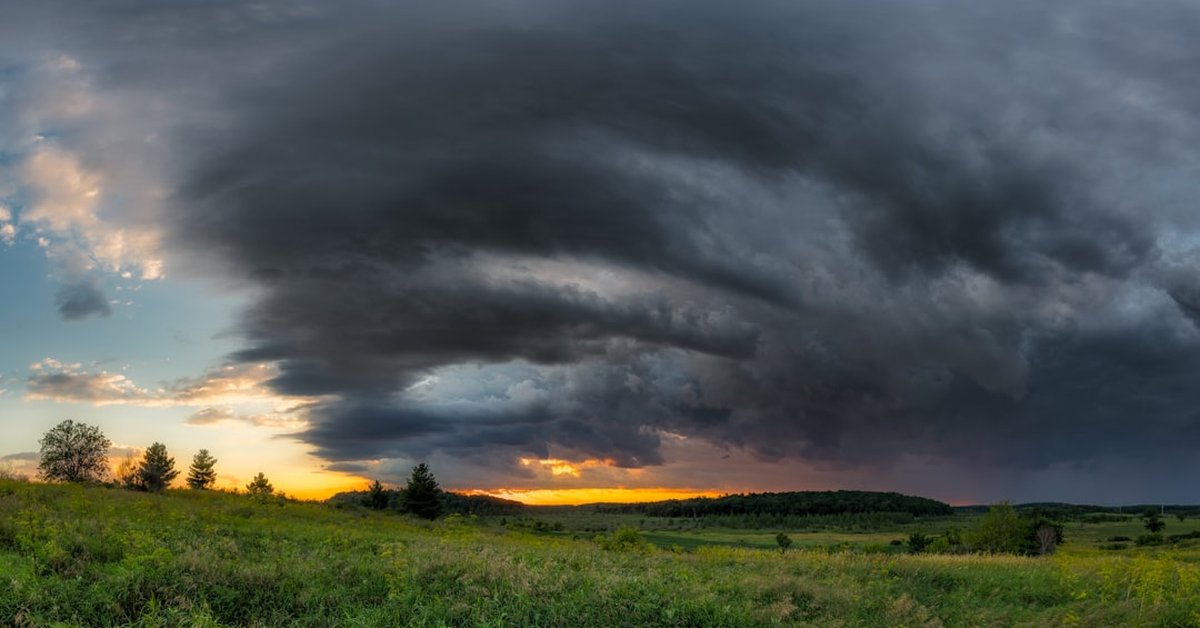


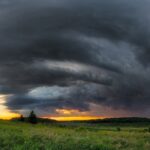
The sky turned an eerie green over Nashville on December 9, 2023. What should have been a calm winter evening erupted into chaos as a line of supercells raced across Middle Tennessee. By midnight, six tornadoes had touched down, killing six people and leveling homes in their paths. It was the third major winter tornado outbreak in as many years—and for many meteorologists, these off-season events are the most captivating of all.
Spring is traditionally tornado season in the United States, with the infamous “expiration date” of April through June. But the growing frequency and intensity of winter and late-autumn outbreaks are rewriting the rulebook. They’re also drawing a dedicated following of storm chasers, researchers, and weather enthusiasts who argue these events are not only more dramatic but scientifically richer.
“Winter tornadoes break all the norms,” says Dr. Greg Carbin, chief of forecast operations at NOAA’s Storm Prediction Center. “You can have a system that looks like a winter storm producing blizzards in one state and violent tornadoes in another, all in the same day. That complexity is what makes them so fascinating and so dangerous.”
The Unpredictability of Off-Season Tornadoes
Spring tornado outbreaks are almost routine: warm, humid air from the Gulf of Mexico clashing with cold fronts from Canada creates a predictable recipe. Winter outbreaks, however, rely on a different mix. They often emerge from powerful low-pressure systems that tap into elevated moisture layers and strong wind shear, but without the surface heat that normally fuels spring storms.
This combination makes them harder to forecast. The 2021 December outbreak—which spawned 71 tornadoes across six states and killed 89 people—was flagged only two days in advance. The system exploded rapidly, catching communities off guard. “These events have a shorter lead time and a higher potential for nocturnal tornadoes, which are twice as deadly,” notes Dr. Jana Houser, a radar meteorologist at Ohio State University who studies tornado dynamics. “The lack of daylight and the element of surprise make them a forensic nightmare—and a scientific goldmine.”
For storm chasers, winter outbreaks offer a unique thrill. Reed Timmer, a veteran chaser known for intercepting tornadoes, explains: “Spring chases are almost predictable. You know where to go. In winter, you’re chasing a beast that can form anywhere from Texas to Michigan, with snow on the ground and temperatures in the 40s. It’s like playing poker with a joker in the deck. You never know what you’ll get.”
Why Late-Season Outbreaks Pack a Bigger Punch
Beyond the forecasting challenge, winter tornadoes often produce more intense damage relative to their duration. The December 2021 outbreak included an EF-4 tornado that stayed on the ground for 165 miles through Kentucky—the longest continuous tornado track in modern history. The same storm system produced 30 tornadoes rated EF-2 or higher, a rarity for December.
Part of the reason is the atmospheric energy. Winter systems are typically more dynamic, with jet stream winds often exceeding 150 mph at low altitudes. When combined with even modest instability, these winds can produce rapid spin-ups that are difficult to anticipate. In November 2022, a pre-Thanksgiving outbreak in the South spawned 84 tornadoes, including an EF-3 that struck Caddo Parish, Louisiana, leveling hundreds of homes. “The shear profiles in late autumn and winter are like nothing else,” says Carbin. “They can generate tornadoes from what look like benign clouds. That raw power is why researchers like me are obsessed.”
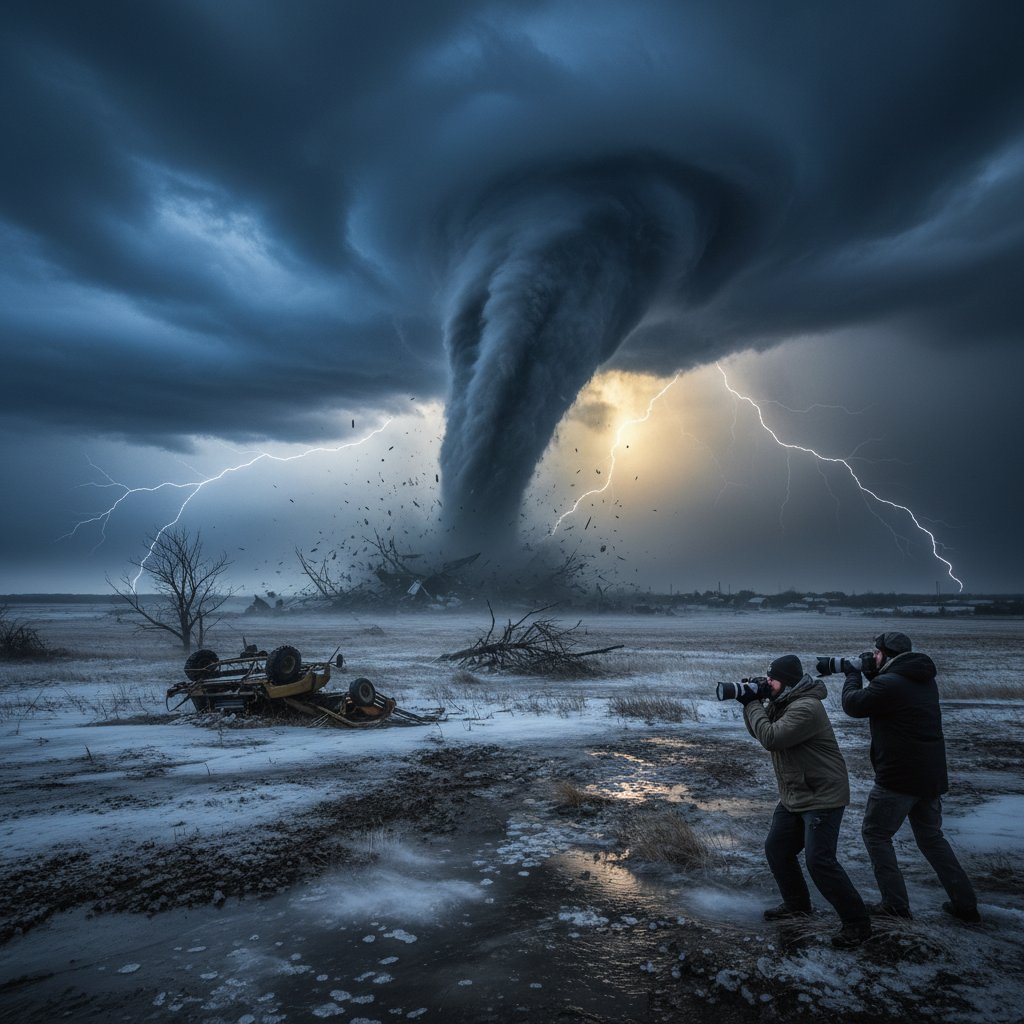
The visual contrast also adds to the appeal. Winter tornadoes are often photographed against stark landscapes—bare trees, snow-covered fields, or late afternoon sunlight. This juxtaposition of violent weather with a season normally associated with calm cold creates a haunting aesthetic that resonates on social media and in news coverage.
The Human Impact Factor
Winter tornadoes strike when people are less prepared. In spring, communities hold tornado drills and have storm shelters stocked. In winter, the focus is on snow and cold, not violent thunderstorms. This lack of psychological readiness amplifies the human toll. The 2023 March outbreak—which produced 146 tornadoes, the most ever for that month—killed 26 people in Mississippi and Alabama, many of them caught sleeping in mobile homes that had no basement.
“There’s a false sense of security,” notes Dr. Kate Musgrave, a climatologist at Colorado State University who studies seasonal extremes. “People think tornado season is over by December or doesn’t start until April. But the data shows that the period from November through February has seen a 30% increase in tornado reports over the past two decades. That’s a trend we can’t ignore.”
For the communities affected, the recovery is also tougher. Winter storms complicate search and rescue, with roads iced over and power outages from wind and snow. In January 2024, an outbreak in the Florida Panhandle left debris frozen to the ground, delaying aid. The emotional impact lingers: a tornado that destroys your home during the holidays or on a cold night leaves a different kind of trauma than one in July.
A Changing Climate’s Role?
Is the rise in winter tornadoes a climate signal? Scientists are cautious but intrigued. While attribution remains tricky, evidence points to a warming Gulf of Mexico providing more moisture later in the year, and a shifting jet stream allowing Arctic air to interact with subtropical warmth more frequently. A 2022 study in the Bulletin of the American Meteorological Society found that the center of tornado activity has shifted eastward and is starting earlier in the season.
“We’re seeing a convergence of conditions that historically would not align until spring. If this continues, the idea of a defined tornado season may become obsolete.”
— Dr. Greg Carbin, NOAA Storm Prediction Center
For hobbyists and professionals alike, the rise of winter outbreaks means more opportunities to study, chase, and experience events that were once rare. The online community has embraced them: forums like r/tornado and social media hashtags such as #WinterTornado see spikes in activity after each event. “I’d take a December outbreak over a May outbreak any day,” says Timmer. “It’s the chaos, the challenge, the raw nature of it. Spring is predictable. Winter is wild.”
As the climate continues to change and models improve, one thing is clear: winter and late-season tornado outbreaks are not anomalies. They are a growing feature of our weather landscape—and for those who find storms fascinating, they are the most interesting storms of all.