






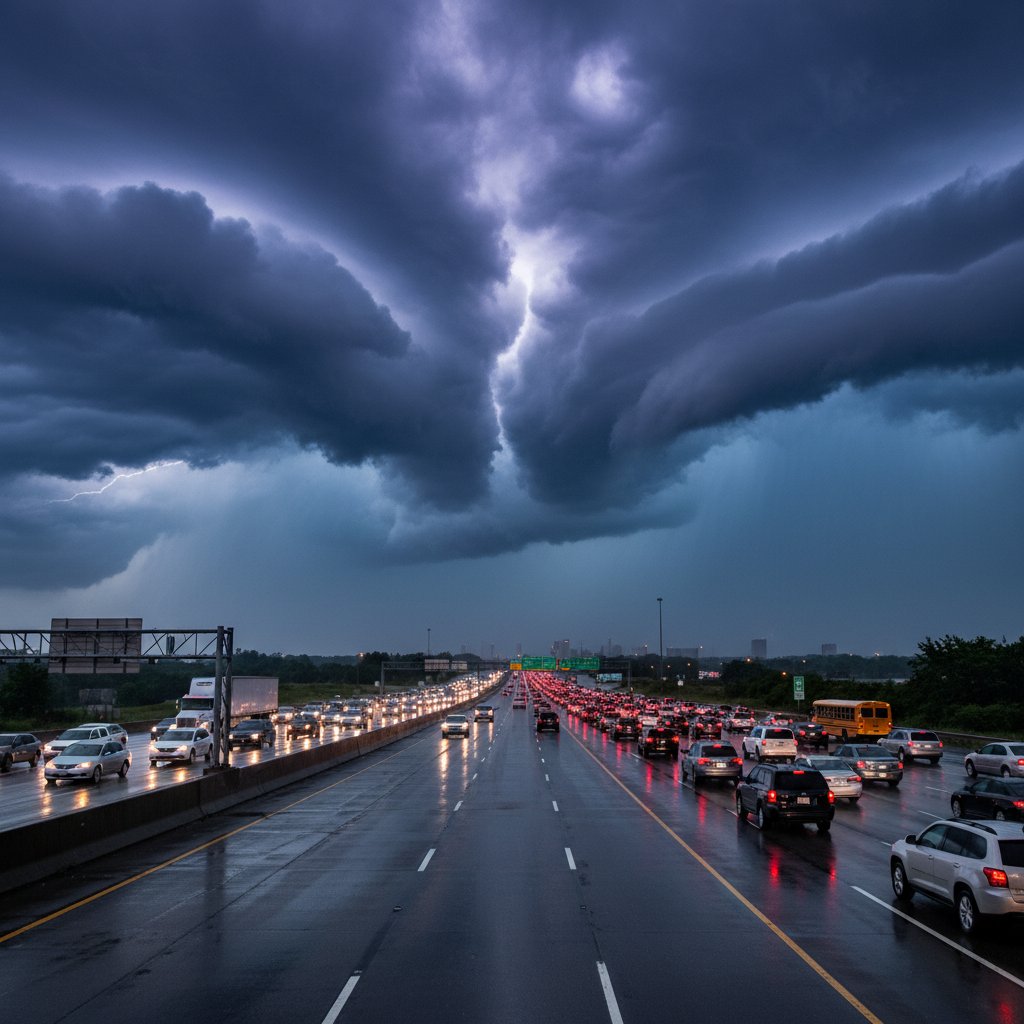
It’s a dark joke among New Jersey drivers that the Garden State’s traffic laws are a special kind of cruel—jug-handle turns, no lefts on major arteries, and a confusing dance of yield signs. But this spring, the weather itself seems to have enrolled in driver’s ed. For the past six weeks, a stubborn high-pressure system has parked itself over the Mid-Atlantic, delivering a relentless stretch of calm, predictable conditions. No sudden squalls. No last-minute lane changes from the jet stream. It’s as if the atmosphere decided to follow every rule in the New Jersey Motor Vehicle Commission handbook.
“I’ve been driving through the Oranges for 30 years, and I’ve never seen the weather this cooperative,” says Marie Costanza, a real estate agent from Montclair. “It’s like the sky finally learned to use its turn signal.”
The joke has spread across local social media and morning radio, but meteorologists say there’s a surprising amount of science behind the humor. The persistent blocking pattern has locked in mild temperatures, low humidity, and only the gentlest breezes—conditions that would make any traffic engineer weep with joy.
A High-Pressure System That Follows the Rules
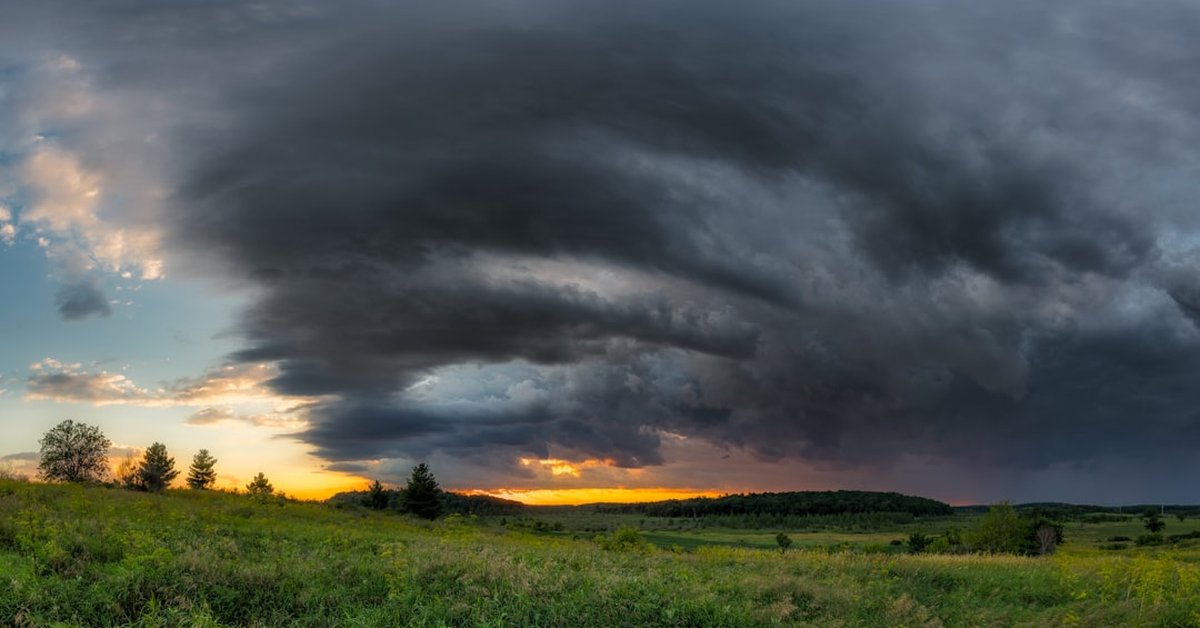
The culprit is an omega block—a massive ridge of high pressure that has anchored itself over the Northeast since mid-April. Unlike the typical chaotic meander of weather systems, this ridge has remained nearly stationary, forcing storms to take the long way around via Canada or the Gulf.
“It’s behaving like a driver who actually reads the advisory signs,” says Dr. Lena Harper, a meteorologist at Rutgers University. “Normally, you’d expect a low to swing through every few days, bringing rain or wind. But this ridge is holding its lane, maintaining speed, and obeying the speed limit—about three miles per hour of movement per day.”
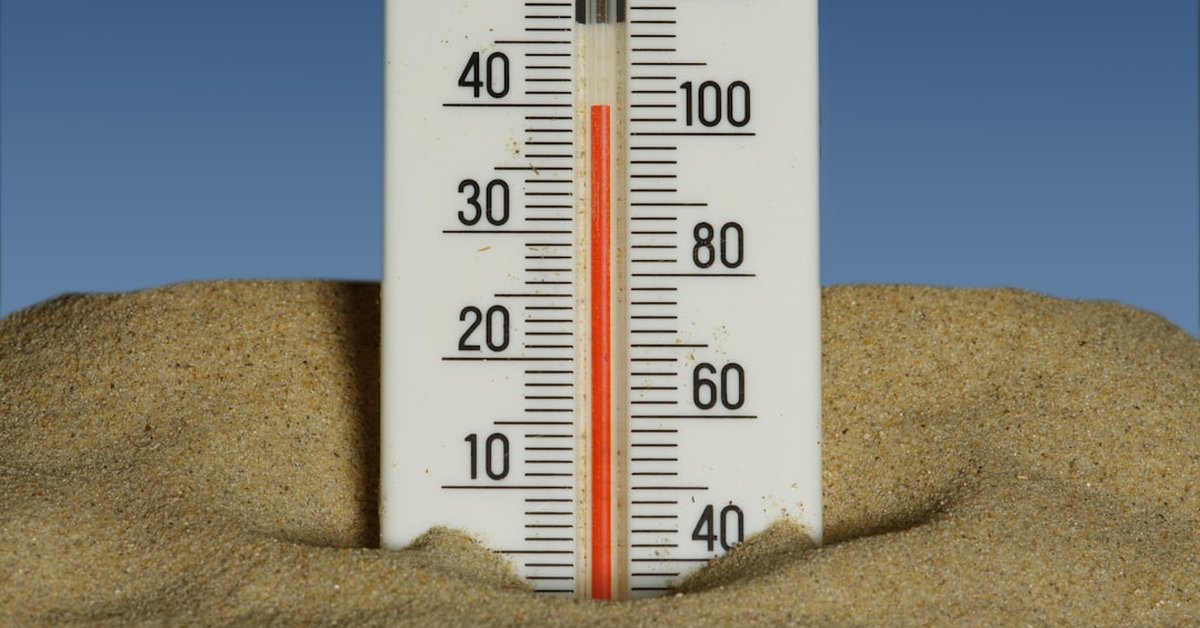
The result? Newark has recorded only 0.8 inches of rain in the last five weeks—less than half the historical average. The number of days with gusts over 20 mph dropped to just two, compared to the usual eight for the period. And temperatures have stayed within a tight 10-degree band, rarely breaking 70°F or falling below 50°F.
“That’s remarkably consistent,” Harper adds. “It’s the meteorological equivalent of a perfect driving record.”
How the Weather Is Reducing Commuter Chaos
The human impact has been tangible. According to data from the New Jersey Department of Transportation, weather-related incidents on state highways fell 22% in May compared to the five-year average. Fender benders caused by sudden rain or glare have all but vanished.
John Kim, a traffic operations manager for the NJDOT, says the change is most noticeable on notoriously tricky roads like Route 17 and the Pulaski Skyway. “On a normal spring afternoon, we’d get a half-dozen calls about hydroplaning or debris from gusty winds,” Kim explains. “This month, it’s crickets. Even the sun glare has been muted because of the persistent high cloud cover. It’s like the weather decided to take driver’s education.”
Kim laughs, but he’s not exaggerating. The stability has allowed road crews to focus on long-delayed repairs without weather interruptions. “We actually fixed a sinkhole on I-287 in a single day because we didn’t have to worry about rain. That never happens.”
The irony isn’t lost on commuters who have long joked that New Jersey traffic laws are designed to confuse outsiders. “You can make a left turn, but only if you first merge into the jug-handle, then yield to three different signs,” says Tom Rinaldi, a truck driver from Edison. “But this weather? No hidden traps. It’s honest.”
The Science of ‘Staying in Your Lane’
Meteorologists refer to the phenomenon as “atmospheric blocking,” but locals have given it a new name: “the Jersey driver ridge.” The pattern works because the strong high-pressure dome acts like a wall, deflecting storms north or south. It’s as if the weather system has learned to “stay in its lane” and avoid sudden merges.
“This block is unusually persistent,” says retired NOAA climatologist Dr. Paul Henson, who now lives in Cape May. “Usually these ridges break down after a week or two. But this one has held for nearly 45 days. It’s literally refusing to make illegal lane changes.”
Henson points out that the stability has had a downside: a lack of cleansing rain has worsened pollen counts, and the dry conditions have raised fire risk in the Pine Barrens. But for day-to-day commuting, it’s been a blessing. “You could set your watch by the evening breeze off the Hudson,” he says. “There’s no sudden downpour at 5:01 p.m., no blinding fog in the morning. It’s the most law-abiding weather I’ve seen in decades.”
Some wags have even proposed a new traffic sign: “Weather Must Obey All Local Ordinances.” But so far, the state has declined to comment.
What Happens When the Ridge Finally Moves?
The ridge will eventually break down—perhaps by late June. When it does, meteorologists expect a rapid return to typical spring chaos: pop-up thunderstorms, gusty winds, and the occasional derecho. For New Jersey drivers, it will be like going from a smooth interstate to a congested side street with no turn signals.
“We’ve been spoiled,” admits Dr. Harper. “Once this pattern breaks, I suspect we’ll see a spike in weather-related accidents. People have forgotten how to drive in actual rain.”
Until then, the Garden State is enjoying a rare moment of atmospheric civility. The sun rises on schedule. The wind stays under 10 knots. And for once, the weather is behaving exactly as if it had passed the road test—first try, with no parallel parking required.
“At this point,” says trucker Tom Rinaldi, “I half expect to see a tiny blue ‘Slow Down for Weather’ sign appear in the sky. And honestly, I wouldn’t be mad.”