






Polio isn’t a relic of the 1950s — it’s a pathogen that’s still rewriting its playbook, and we’re ignoring the warning signs at our own risk. In 2022, the US detected its first case of wild polio in nearly a decade — a single unvaccinated individual in Rockland County, New York, paralyzed by a virus most Americans assumed was extinct. That wasn’t a fluke; it was a flare. The global eradication effort, once within striking distance, has stalled. And the data — from wastewater surveillance in London to outbreak clusters in Pakistan and Afghanistan — suggests we’ve entered a new, more volatile phase of this ancient disease.
Let’s cut through the nostalgia. Polio hasn’t been beaten; it’s been contained. And containment is fragile. Very fragile.
The Numbers That Should Scare You
According to the World Health Organization, 2023 saw 30 confirmed wild poliovirus cases globally — down from 174 in 2019, but up from 6 in 2021. That’s not a trend line; it’s a wobble. Meanwhile, circulating vaccine-derived poliovirus (cVDPV) — a strain that mutates from the oral polio vaccine itself — exploded to 859 cases in 2022 across 26 countries. Yes, the vaccine meant to save us can, in rare circumstances, spawn a new outbreak.
In the US, the New York case triggered a statewide emergency declaration and a push for booster doses. But here’s the kicker: wastewater sampling in five New York counties found poliovirus in 21 samples between March and July 2022, suggesting silent transmission among unvaccinated pockets. The CDC estimates that one in 200 infections leads to irreversible paralysis. For every paralyzed case, hundreds are spreading the virus without symptoms.
Compare that to the wildfire smoke choking the Great Lakes — visible, immediate, a crisis you can taste. Polio is the opposite: invisible, slow, and far more permanent in its damage.
Where Polio Still Holds Ground
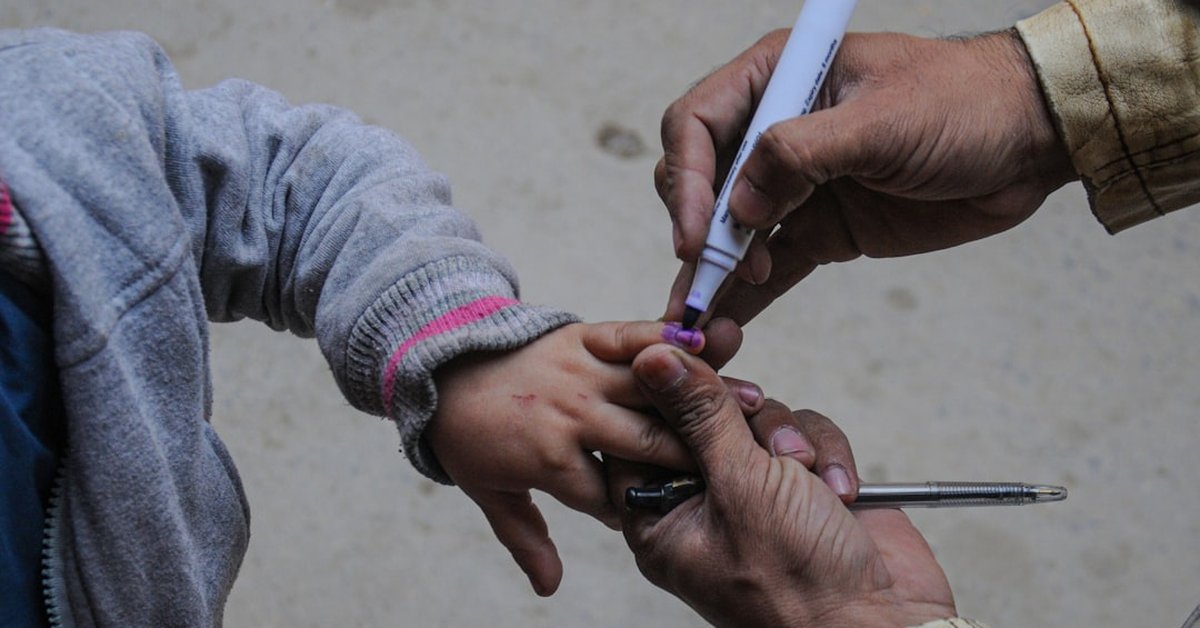
Two countries have never stopped wild poliovirus transmission: Afghanistan and Pakistan. In 2023, Afghanistan reported 6 cases; Pakistan, 24. Both face challenges that would stump any eradication program — armed conflict, vaccine misinformation, and logistical nightmares in remote mountain villages. But the real story is the geographic creep.
In 2022, Mozambique detected its first wild polio case in 30 years — imported from Pakistan. Malawi reported a case linked to the same strain. That’s a 5,000-mile jump. The virus doesn’t need a passport; it needs one infected traveler. And with global vaccination rates slipping — from 86% in 2019 to 81% in 2021 for the third dose of the polio vaccine — the immunity buffer is thinning.
Look at the UK: London wastewater surveillance found poliovirus in 116 samples from February to October 2022, concentrated in boroughs with low vaccine uptake in children. The UK Health Security Agency declared a national incident. That’s a first-world city, not a conflict zone.
This is where the comparison to Toronto, New York, and DC topping pollution lists becomes useful. Both crises — air quality and polio — are environmental health threats that disproportionately hit the unvaccinated or the exposed. But wildfire smoke clears in days. Polio paralysis lasts a lifetime.
What This Means for You — Right Now
If you’re in the US, UK, or Canada, your risk of contracting polio remains extremely low — provided your community’s vaccination rate stays above 90%. But that’s the problem. In the US, 14 states reported kindergarten vaccination rates below 90% for polio in the 2021–2022 school year, according to CDC data. The national average slipped from 94.9% in 2019–2020 to 93.6% in 2021–2022. That’s a small drop with big consequences.
Herd immunity for polio requires about 80–85% coverage for the inactivated polio vaccine (IPV) used in the US. But in clusters — think private schools, religious communities, or rural counties — rates can crater below 70%. That’s where outbreaks start. The Rockland County case emerged from a community with vaccination rates as low as 60%.
So here’s the actionable takeaway: Check your family’s vaccination records. The CDC recommends four doses of IPV for children — at 2 months, 4 months, 6–18 months, and 4–6 years. Adults who completed the series as kids don’t need boosters unless traveling to endemic areas. But if you’re unsure? A simple blood test can check your antibody levels. And if you’re in a low-coverage area, consider getting a booster. It’s cheap, safe, and one less thing to worry about.
“Polio eradication is not a sprint; it’s a marathon with no finish line in sight.” — Dr. Walter Orenstein, former director of the CDC’s immunization program, as quoted in a 2022 CDC report.
The Vaccine-Derived Threat Nobody Talks About
Here’s the uncomfortable truth: the oral polio vaccine (OPV) — which uses a live, weakened virus — is responsible for most of the world’s current polio cases. The virus in OPV can, in rare cases, revert to a neurovirulent form and spread in under-immunized populations. This is cVDPV, and it now accounts for over 80% of all polio cases globally.
The global switch from OPV to inactivated polio vaccine (IPV) — which uses a killed virus — began in 2016. But IPV is more expensive, harder to administer (injectable vs. oral drops), and less effective at stopping fecal-oral transmission in poor sanitation settings. So the world is stuck with a two-vaccine system: IPV in rich countries, OPV in poor ones. And that divide is precisely where the virus exploits gaps.
In 2023, the Global Polio Eradication Initiative launched a new strategy: using a genetically stabilized OPV (nOPV2) that’s less likely to revert. Over 500 million doses have been administered across 28 countries under emergency use listing. Early data suggests it’s safer — but not perfect. And perfection is what eradication demands.
The Bigger Picture: Why This Matters Beyond Polio
Polio isn’t just a disease; it’s a stress test for global public health infrastructure. If we can’t eradicate a vaccine-preventable virus that’s existed for millennia, what does that say about our ability to handle the next pandemic? COVID-19 showed us that vaccine hesitancy, supply chain failures, and political interference can derail even the best-laid plans. Polio is the same story, just slower.
The cuts to wildfire research under the Trump administration mirror the funding gaps in polio eradication — short-term savings that create long-term vulnerabilities. In both cases, the cost of inaction compounds silently until it becomes a crisis.
So where are we headed? The WHO’s 2024–2029 strategy aims to interrupt all wild poliovirus transmission by 2026 and stop cVDPV outbreaks within 120 days of detection. That’s ambitious — maybe too ambitious. The program has missed every target since 2000. But the alternative — letting polio resurge globally — would undo $20 billion in eradication investment and condemn thousands to paralysis.
The virus isn’t going to give up. Neither should we.
Frequently Asked Questions
Can I get polio if I’m vaccinated?
No. The inactivated polio vaccine (IPV) used in the US, UK, and Canada is highly effective — 99–100% after three doses. You cannot get polio from the IPV because it contains killed virus. The oral polio vaccine (OPV), used in some developing countries, carries a very small risk (about 1 in 2.7 million doses) of causing vaccine-derived polio, but that risk is being reduced with newer stabilized versions.
How is polio detected in communities today?
Primarily through wastewater surveillance. The CDC and UK Health Security Agency regularly test sewage samples for poliovirus. This method can detect the virus weeks before any paralysis cases appear. The New York and London outbreaks were both first spotted in wastewater. It’s a silent early warning system.
Do adults need a polio booster?
For most adults who completed the childhood series (four doses), no — immunity lasts decades. But the CDC recommends a one-time booster for adults traveling to polio-affected countries (Afghanistan, Pakistan, or any country with an active cVDPV outbreak). If you’re unsure of your vaccination status, ask your doctor for a titer test to check antibody levels.