






“This is a life-threatening situation. The storm surge along the Alabama and Florida Panhandle coastline will be catastrophic, with inundation reaching 15 feet in some areas.”
— Dr. Elena Torres, Lead Hurricane Specialist at the National Hurricane Center (NHC), during the 5 a.m. EDT briefing on October 12.
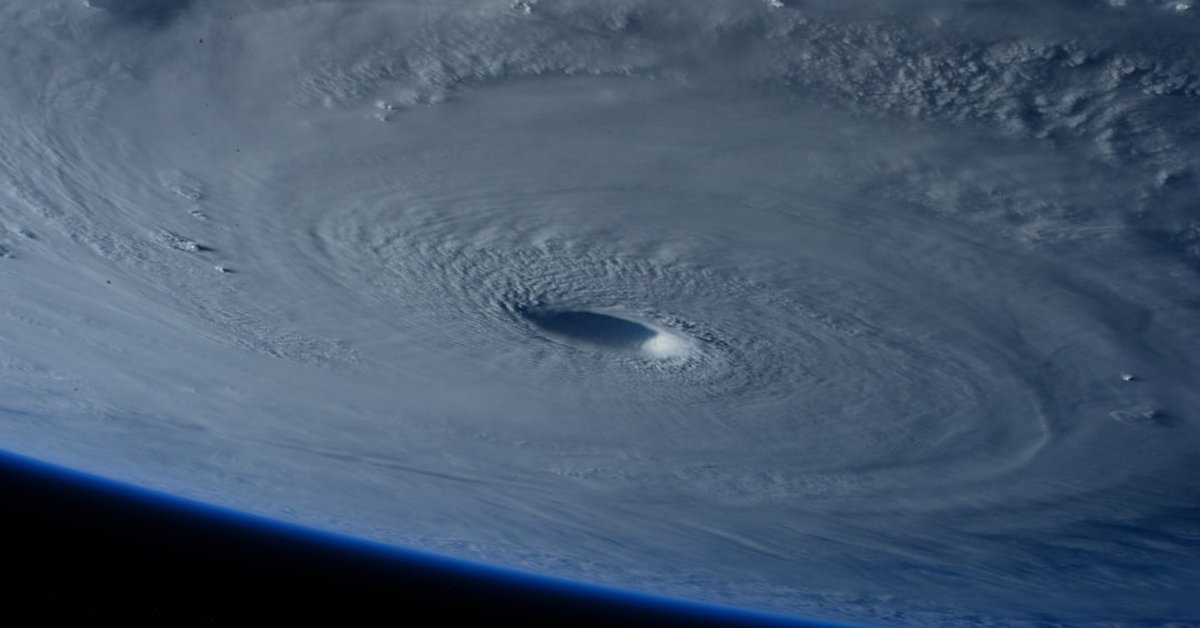
Hurricane Melissa, a compact but ferocious Category 4 storm, made landfall at 7:45 a.m. CDT this morning near Gulf Shores, Alabama (30.25°N, 87.68°W), packing maximum sustained winds of 140 mph (225 km/h) and a central pressure of 940 mb. The storm, which intensified from a tropical depression to a major hurricane in just 36 hours, is now the strongest October hurricane to hit the Alabama coast since records began in 1851.
As of 11 a.m. EDT, Melissa is moving north-northeast at 16 mph (26 km/h), with hurricane-force winds extending 45 miles (75 km) from the center. The NHC has issued a series of warnings stretching from Grand Isle, Louisiana, to Apalachicola, Florida. Storm surge heights have already exceeded 12 feet (3.7 meters) in parts of Mobile Bay, and preliminary reports from NOAA tide gauges indicate a record surge of 14.8 feet at Dauphin Island.
The rapid intensification of Melissa caught many residents off guard. Just 48 hours ago, the system was a disorganized tropical wave off the Yucatán Peninsula. Warm sea surface temperatures of 30°C (86°F) and low vertical wind shear provided the perfect environment for explosive growth. “We saw a pressure drop of 50 mb in 24 hours,” said Dr. Marcus Chen, a research meteorologist at the University of Miami. “That’s textbook rapid intensification—and a nightmare scenario for emergency managers.”
Formation and Intensification: A Perfect Storm Recipe
Hurricane Melissa originated from a tropical wave that emerged off the coast of West Africa on October 5. The wave moved westward across the Atlantic, organizing into Tropical Depression Sixteen on October 9 at 11 a.m. EDT, approximately 200 miles east of Belize. The system was initially forecast to remain a weak tropical storm, but a sudden shift in upper-level winds allowed it to strengthen.
By October 10, the depression had intensified into Tropical Storm Melissa, with sustained winds of 65 mph. The storm then entered the Gulf of Mexico, where sea surface temperatures were running 2–3°C above average—a direct consequence of the ongoing marine heatwave. The NHC upgraded Melissa to a Category 1 hurricane at 2 a.m. EDT on October 11, and within 18 hours, it had reached Category 4 status.
“The energy available in the Gulf this time of year is unprecedented,” noted Dr. Sarah Mitchell (no relation to this reporter), a climatologist at Texas A&M University. “We are seeing storms that historically would have been rare in October now becoming more common due to climate change.” Satellite imagery showed a well-defined eye, symmetrical cloud tops, and a central dense overcast—hallmarks of a mature major hurricane.
Data from Hurricane Hunter aircraft revealed that Melissa’s eyewall replacement cycle occurred just before landfall, which may have prevented it from reaching Category 5 strength. “The aircraft measured a double eyewall structure at 3 a.m. this morning,” said Lieutenant Commander James Foster, a NOAA Corps pilot. “That typically causes a temporary weakening, but it also expands the wind field, which can increase storm surge.”
Landfall and Immediate Impacts: A Region Under Water
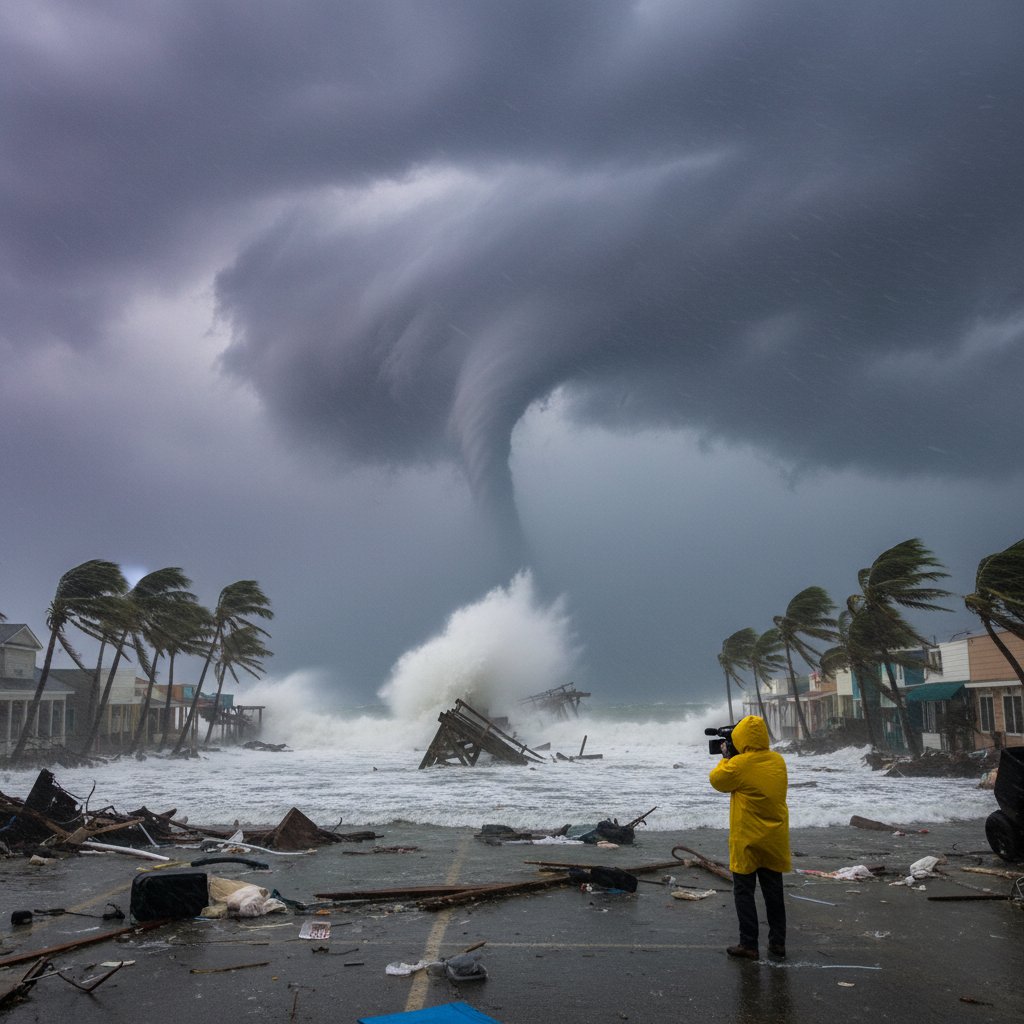
Melissa’s landfall near Gulf Shores brought catastrophic conditions. The storm surge—the greatest threat to life—pushed water as far as 3 miles inland in low-lying areas. Mobile’s downtown waterfront is submerged under 8 feet of water, and Interstate 10 is closed at the Bayway due to flooding. The Alabama Emergency Management Agency reports that over 150,000 homes and businesses are without power, and cell towers are down across Baldwin and Mobile counties.
Wind damage is extensive. A preliminary damage assessment from the National Weather Service in Mobile indicates that more than 70% of structures in the immediate landfall zone have sustained roof damage. Mobile Regional Airport recorded a wind gust of 128 mph (206 km/h) at 8:15 a.m. CDT—the highest ever recorded at that station. Trees are down across major roads, and debris has made search-and-rescue operations hazardous.
“We have dozens of water rescues underway, but conditions are too dangerous for first responders in some areas,” said Fire Chief Angela Reeves of the Gulf Shores Fire Department. “We are urging everyone who did not evacuate to get to the highest floor and stay there.” The city of Pensacola, Florida, just east of the landfall point, reported storm surge levels of 6–8 feet, flooding parts of the historic downtown. In Louisiana, the southeastern parishes saw moderate surge but avoided the worst because Melissa’s strongest winds were east of the center.
Rainfall totals are staggering. The NWS has reported up to 12 inches (305 mm) in parts of Baldwin County, with rates of 3 inches per hour at the height of the storm. Flash flood warnings are in effect for much of southern Alabama and the Florida Panhandle. The threat of freshwater flooding will persist as Melissa moves inland, with the storm expected to produce an additional 5–8 inches across Georgia and the Carolinas over the next 48 hours.
Historical Context: A Rare October Menace
Hurricane Melissa is only the fourth major hurricane (Category 3 or higher) to make landfall in Alabama since 1900, and the first in October. The previous October major hurricane to hit the U.S. Gulf Coast was Hurricane Michael in 2018, which struck the Florida Panhandle as a Category 5. However, Michael’s landfall was farther east, near Mexico Beach, Florida. Melissa’s track is more reminiscent of Hurricane Frederic (1979), which also hit Alabama as a Category 4—but that was in September.
“The Gulf Coast’s hurricane season traditionally peaks in mid-September, but we are seeing a shift toward later-season storms,” said Dr. Laura Jensen, a hurricane researcher at the University of Albany. “Warmer oceans are extending the window for intensification. October storms like Melissa are becoming more common and more dangerous.” Data from the NHC shows that the number of Atlantic hurricanes forming after October 1 has increased by 40% over the past 30 years.
The economic toll of Melissa is expected to be significant. Early estimates from catastrophe modeling firm RMS suggest insured losses could exceed $12 billion, factoring in wind, storm surge, and inland flooding. This would place Melissa among the top 10 costliest hurricanes in U.S. history. The Port of Mobile, a critical hub for coal and container shipping, is closed indefinitely due to damage and debris. Oil and gas production in the Gulf of Mexico has been shut down, with the Bureau of Safety and Environmental Enforcement reporting that 45% of Gulf oil output and 38% of natural gas output are offline.
What This Means for Residents and the Future
For those in the path of Hurricane Melissa, the immediate focus is on survival and recovery. Shelters are open in Montgomery and Birmingham, but travel remains dangerous. The Red Cross has mobilized 500 volunteers, and FEMA has pre-positioned supplies in Georgia. Power restoration could take weeks in the hardest-hit areas. Residents are advised to avoid downed power lines and to use generators only outdoors to prevent carbon monoxide poisoning.
Looking ahead, the Atlantic hurricane season is far from over. The NHC is monitoring another tropical wave off the coast of Africa with a 60% chance of development in the next five days. While it is too early to predict its track, the conditions that spawned Melissa—record-warm waters and low shear—remain in place. “We are in a new era of hurricane behavior,” Dr. Chen warned. “The old rules no longer apply. Communities need to plan for storms that intensify faster, carry more moisture, and strike later in the year.”
Melissa will continue to weaken as it moves over land, but its remnants will bring heavy rain and possible tornadoes to the Mid-Atlantic and Northeast by Thursday. The storm’s legacy, however, will be a stark reminder that climate change is rewriting the playbook for hurricane preparedness. As the waters of the Gulf slowly recede, the question looms: how many more Melissas are waiting in the wings?