


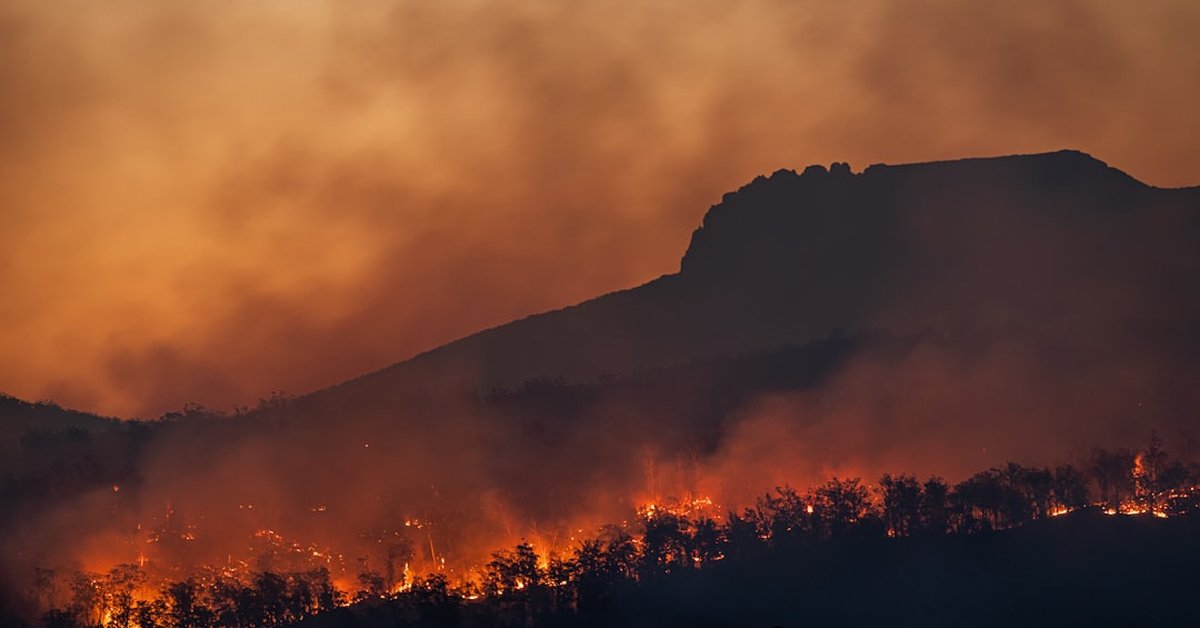
…and when the last ember cooled, the data started pouring in. For decades, scientists at the EPA’s Corvallis lab and the Forest Service’s Missoula Fire Sciences Lab have been the first responders of wildfire knowledge — analyzing air quality, testing fire behavior, and measuring the long-term toll on watersheds. But the Trump administration wants to shut them down.
It’s not a drill. The proposed budget cuts would eliminate funding for key research programs, effectively gutting the nation’s ability to understand and prepare for increasingly severe fire seasons.
“If you cut the science, you’re flying blind,” says Dr. Linda Whitaker, a former EPA atmospheric chemist who spent two decades studying wildfire smoke. “We’re already seeing fires that behave in ways we’ve never seen before. Without this research, we won’t know why — or what to do about it.”
The Labs Under the Axe
The EPA’s Office of Research and Development, which runs labs in Corvallis, Oregon, and Research Triangle Park, North Carolina, faces a 30% budget cut under the administration’s latest proposal. The Forest Service’s Rocky Mountain Research Station — home to the Missoula Fire Sciences Lab — would see similar reductions. Together, these facilities house decades of data on fire behavior, smoke dispersion, and post-fire recovery. As we’ve seen in the aftermath of catastrophic fires, understanding how a fire spreads is critical. For a deeper look at the science of controlled burns, see our article What We Learn When a Lab Burns a House to the Ground.
The cuts don’t stop there. The Joint Fire Science Program, which coordinates research across federal agencies, would be eliminated. The Wildland Fire Assessment System, a tool used by fire managers nationwide, would lose its funding. Altogether, the proposed reductions would slash the federal wildfire research budget by nearly $100 million.
What the Research Actually Tells Us
At its core, this research saves lives. EPA scientists have shown that wildfire smoke can trigger heart attacks, worsen asthma, and even increase the risk of preterm birth. A 2021 study from the Corvallis lab linked smoke exposure to increased COVID-19 severity — findings that directly influenced public health warnings during the 2020 fire season. The CDC’s Wildfire Resources page cites much of this work. Forest Service researchers, meanwhile, have developed models that predict how a fire will move based on terrain, weather, and fuel. These models are used by every firefighting agency in the country, from the Bureau of Land Management to local volunteer departments.
A 2021 report by the Government Accountability Office highlighted the importance of these programs. GAO report on wildfire science noted that without sustained investment, the U.S. risks losing its ability to forecast fire behavior and assess post-fire risks like landslides and flooding.
The Human Cost of Cutting Research
These aren’t abstract budget lines. When a wildfire threatens a community, local officials rely on smoke forecasts and behavior models to decide when to evacuate. Without updated research, those forecasts become less accurate. “We’re already seeing fires that move faster than our models predict,” says Fire Chief Mike Roberts of Sonoma County. “If the science doesn’t keep up, we’re going to get caught off guard.”
The impact extends beyond evacuation decisions. The Forest Service’s AirFire team produces the daily smoke forecasts that health departments use to issue air quality warnings. In 2020, when wildfires turned skies orange across the West, those forecasts told millions of people to stay indoors. Without continued funding, AirFire would be forced to scale back its operations, leaving communities without real-time guidance during future blazes.
And it’s not just about the immediate crisis. Post-fire research — how landscapes recover, how watersheds respond to ash and debris — helps communities rebuild smarter. After the 2018 Camp Fire, Forest Service scientists mapped erosion risks across the burn area, informing where to install barriers and reseed slopes. That kind of work takes years of consistent funding.
Why This Matters Now More Than Ever
The 2020 fire season burned over 10 million acres in the U.S. — a record. And climate change is making conditions worse: hotter, drier, and more combustible. The administration’s cuts come at a time when the need for wildfire research is growing. Compare that to Europe, where countries like France are scrambling to adapt to new fire regimes. As we reported in As Blazes Spread Near Paris, Extreme Heat Is Changing How France Fights Fires, even temperate nations are investing in fire science. The U.S. is moving in the opposite direction.
Look, this isn’t the first time wildfire research has faced budget cuts. Under the Obama administration, funding was relatively stable, but the Trump administration has consistently proposed reductions. Congress has restored some funding in the past, but the cumulative effect has been a slow erosion of capacity. The number of federal fire scientists has declined by 20% over the past decade, even as fire seasons have grown longer and more destructive.
The proposed cuts still need Congressional approval. But if they go through, the ripple effects will last for years. Research projects will be abandoned, data sets will go unanalyzed, and a generation of fire scientists will be pushed out of the field. When the next big fire comes — and it will — we’ll be asking questions that no one is left to answer.
Frequently Asked Questions
The EPA’s Corvallis lab in Oregon and its Research Triangle Park lab in North Carolina, along with the Forest Service’s Missoula Fire Sciences Lab and other Rocky Mountain Research stations, are at risk of significant budget cuts or closure. The Joint Fire Science Program and the Wildland Fire Assessment System would also be eliminated under the proposed budget.
These labs produce the data and models used by fire agencies to predict fire behavior and smoke dispersion. Cuts would slow the development of new forecasting tools and reduce the accuracy of existing ones. The AirFire team’s smoke forecasts, which guide evacuation and health warnings, would be scaled back.
Some members of Congress have opposed the cuts, and scientific organizations including the American Geophysical Union have launched advocacy campaigns. Environmental groups have filed lawsuits. The final budget decisions will be made later this year, but the administration has signaled it will continue to push for reductions.