





What is a Dark Rainbow? New Mexico Residents Witness Rare Optical Phenomenon
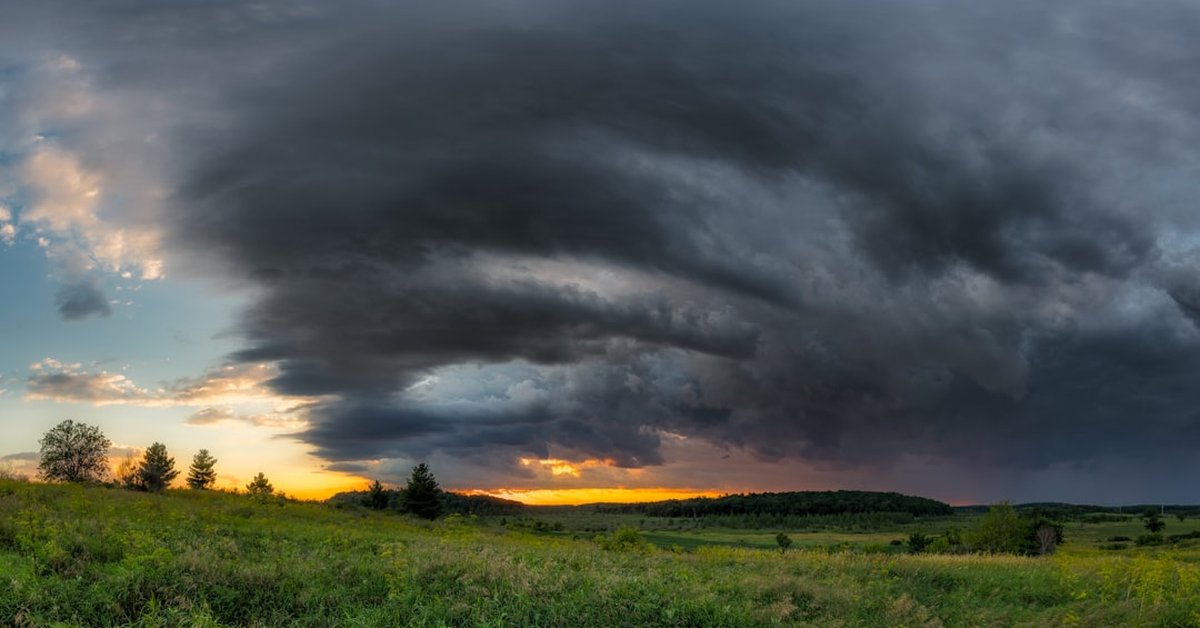
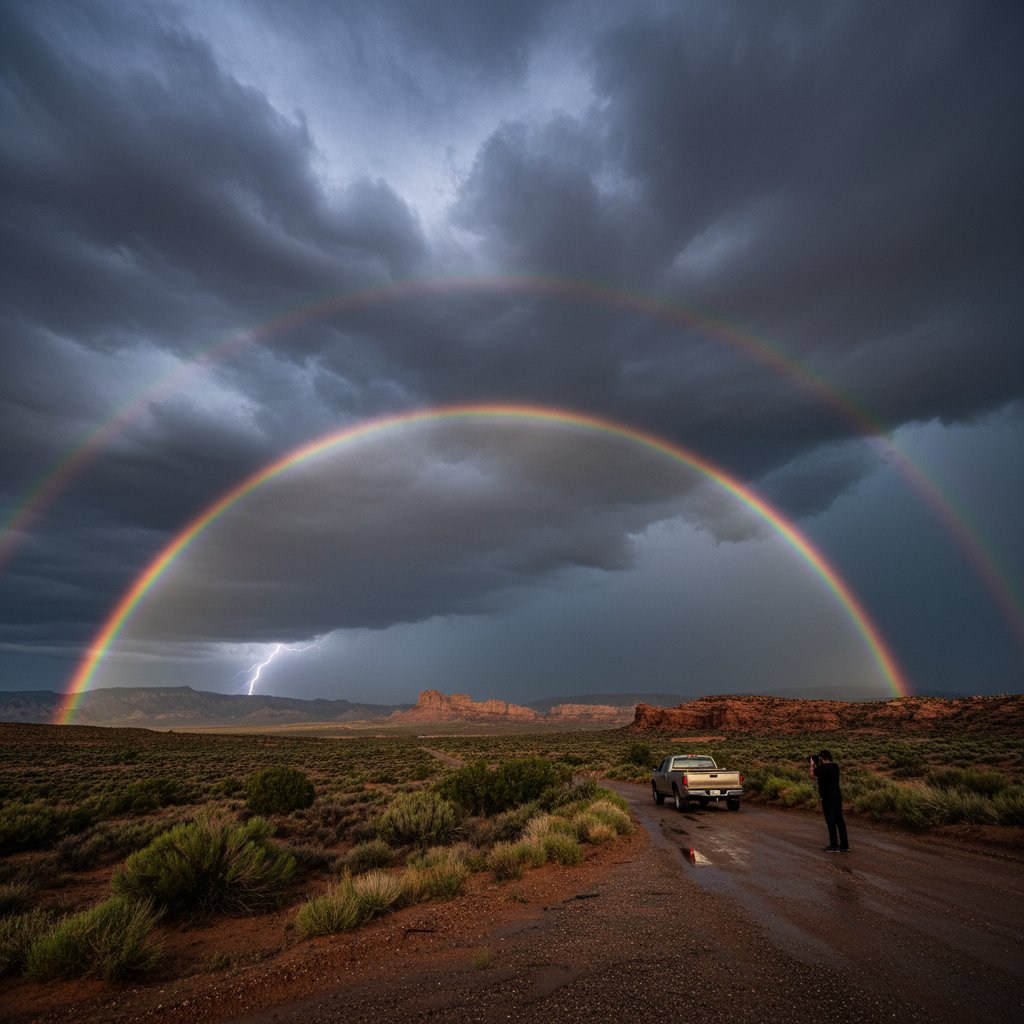
Residents of New Mexico were treated to a rare and stunning atmospheric phenomenon this week: the ‘dark rainbow,’ also known as a fog bow. Unlike its more colorful cousin, this type of rainbow appears as a ghostly white or pale band, often edged with faint reds and blues. The sighting has sparked curiosity and wonder, prompting questions about the science behind this elusive weather event.
The recent observation occurred near Santa Fe, New Mexico, where specific atmospheric conditions aligned to create the fog bow. Photos and videos quickly circulated on social media, capturing the ethereal quality of the display. This event serves as a reminder of the diverse and fascinating weather phenomena that can occur, even in seemingly ordinary locations.
But what exactly causes a dark rainbow, and why is it so different from a regular rainbow we see after a rain shower?
The Science Behind Fog Bows: Tiny Droplets, Big Effect
The key difference lies in the size of the water droplets. Regular rainbows are formed by refraction and reflection of sunlight through relatively large raindrops, typically around 0.5 to 5 millimeters in diameter. These larger droplets act like prisms, separating sunlight into its constituent colors and creating the familiar arc of red, orange, yellow, green, blue, indigo, and violet.
Fog bows, on the other hand, are created by much smaller water droplets, typically less than 0.05 millimeters in diameter. These tiny droplets, found in fog or mist, cause diffraction rather than refraction. Diffraction is the bending of light waves as they pass around an obstacle – in this case, the water droplet. Because the droplets are so small, the light waves are scattered more uniformly, resulting in a broader, less intense band of light. The colors are often washed out, giving the fog bow its characteristic white or pale appearance.
“The smaller the water droplets, the less distinct the colors become,” explains Dr. Emily Carter, a meteorologist at the National Weather Service. “With fog bows, the diffraction process dominates, leading to the scattering of light and the creation of this ghostly, achromatic effect.”
Occasionally, a fog bow may exhibit faint colors, usually reds and blues at the edges. This occurs because the diffraction process is not perfectly uniform; some wavelengths of light are scattered slightly more than others.
Ideal Conditions: Where and When to Spot a Fog Bow
Fog bows are most commonly observed when you are facing away from the sun with fog or mist in front of you. This typically occurs in coastal areas, mountainous regions, or anywhere where fog is prevalent. Early morning is often the best time to spot one, as the fog is usually thickest and the sun is low in the sky. However, they can occur at any time of day if the right conditions are present.
Specific weather patterns also play a crucial role. High humidity, light winds, and stable atmospheric conditions are conducive to fog formation. In New Mexico, the combination of elevation and moisture from recent weather systems likely contributed to the recent fog bow sighting.
Historically, fog bows have been observed across the globe, often in locations known for their foggy conditions. The California coast, the Scottish Highlands, and the Appalachian Mountains are all regions where fog bows have been frequently reported. These events are often steeped in local folklore and are considered signs of good luck or omens of change.
Broader Implications: A Reminder of Atmospheric Sensitivity
While the appearance of a fog bow is a beautiful and relatively harmless event, it serves as a subtle reminder of the sensitivity of atmospheric phenomena to changing environmental conditions. As climate change continues to alter weather patterns and increase temperatures, the frequency and distribution of fog and mist may also shift. This could potentially impact the occurrence of fog bows in certain regions, making them even rarer sights.
“Changes in temperature and humidity can directly affect fog formation,” notes Dr. James Wilson, a climate scientist at the University of Oxford. “As the climate warms, we may see a decrease in fog frequency in some areas and an increase in others. This could have implications not only for the occurrence of fog bows but also for ecosystems and human activities that rely on fog moisture.”
The recent dark rainbow in New Mexico is a reminder to appreciate the beauty and complexity of our atmosphere. By understanding the science behind these phenomena, we can gain a deeper appreciation for the delicate balance of our climate and the importance of protecting it. As our climate continues to evolve, tracking these atmospheric events and their changes can provide valuable insights into the broader impacts of climate change on our planet.