






“The rapid shift from spring-like temperatures to this intense cold snap is particularly jarring. We’re seeing impacts across multiple sectors, from agriculture to infrastructure.” – Dr. Emily Carter, Senior Climatologist, UK Met Office.
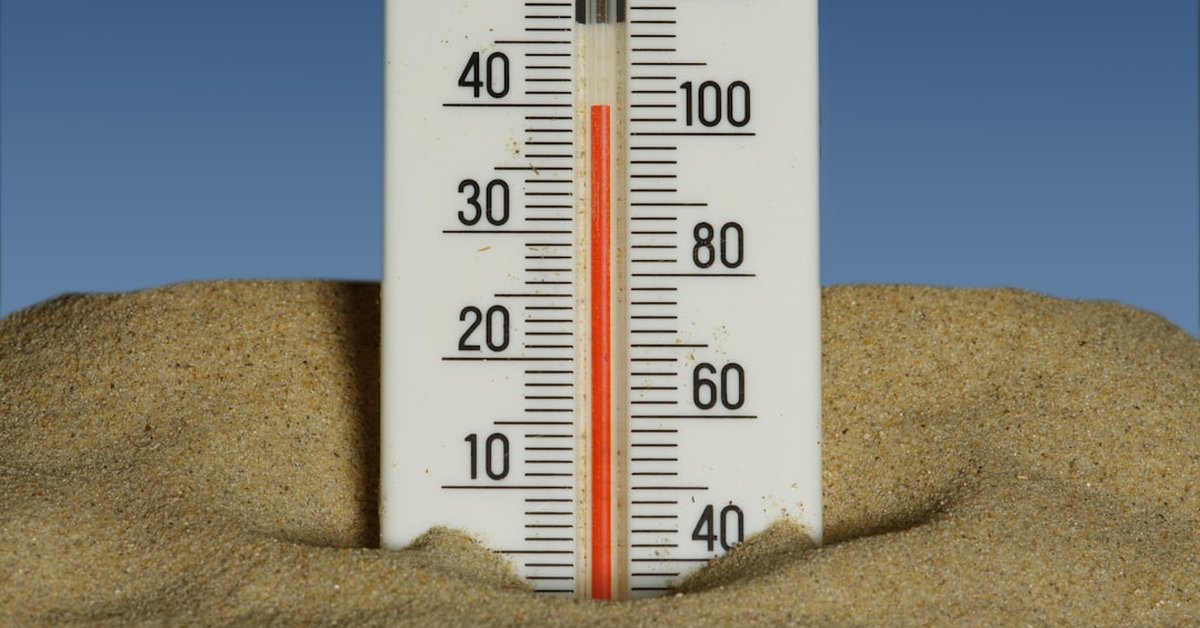
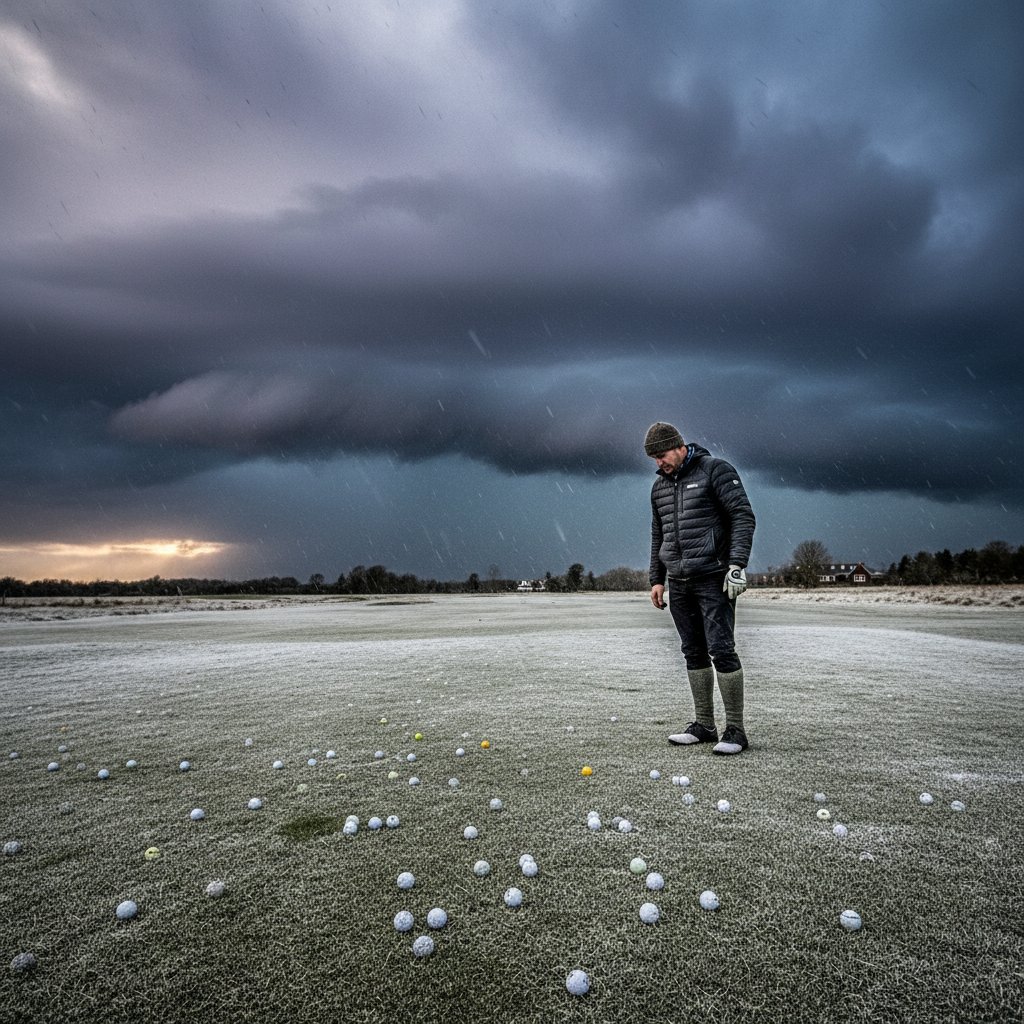
The East of England is reeling from a dramatic and unseasonal cold snap, experiencing a rapid descent from balmy spring conditions to near-record low temperatures and unusual hailstorms. After enjoying highs of 34 degrees Fahrenheit (1 degree Celsius) just days ago, residents are now facing temperatures plummeting to 23 degrees Fahrenheit (-5 degrees Celsius) in some areas, accompanied by reports of significant hail, some reportedly the size of golf balls.
The sudden shift has caught many off guard, disrupting daily life and raising concerns about the impact on agriculture and vulnerable populations. The Met Office has issued widespread weather warnings for ice and snow, urging caution for travel and outdoor activities. Specific areas particularly affected include Norfolk, Suffolk, Essex, and Cambridgeshire.
Record Lows and Widespread Frost
The uncharacteristic cold is a stark contrast to the mild weather experienced earlier this month. Several weather stations across the East of England have reported near-record low temperatures for this time of year. Wattisham Airfield in Suffolk, for example, recorded a low of 21.2 degrees Fahrenheit (-6 degrees Celsius) early this morning. This approaches the record low for April, highlighting the severity of the cold snap.
The Met Office’s weather warnings extend across the entire region, emphasizing the risk of icy roads and pavements. Motorists are advised to drive with extreme caution, and pedestrians are urged to take extra care when walking. The Royal Automobile Club (RAC) has reported a significant increase in callouts related to breakdowns due to the cold weather, with many vehicles experiencing battery issues and frozen components.
Frost is also a major concern for farmers and gardeners. The sudden drop in temperature can damage sensitive crops and plants, potentially leading to significant losses. Farmers are taking measures to protect their crops, including using covers and irrigation to prevent frost damage. The National Farmers’ Union (NFU) is advising members to monitor weather forecasts closely and take appropriate precautions.
Golf Ball-Sized Hail and Disrupted Travel
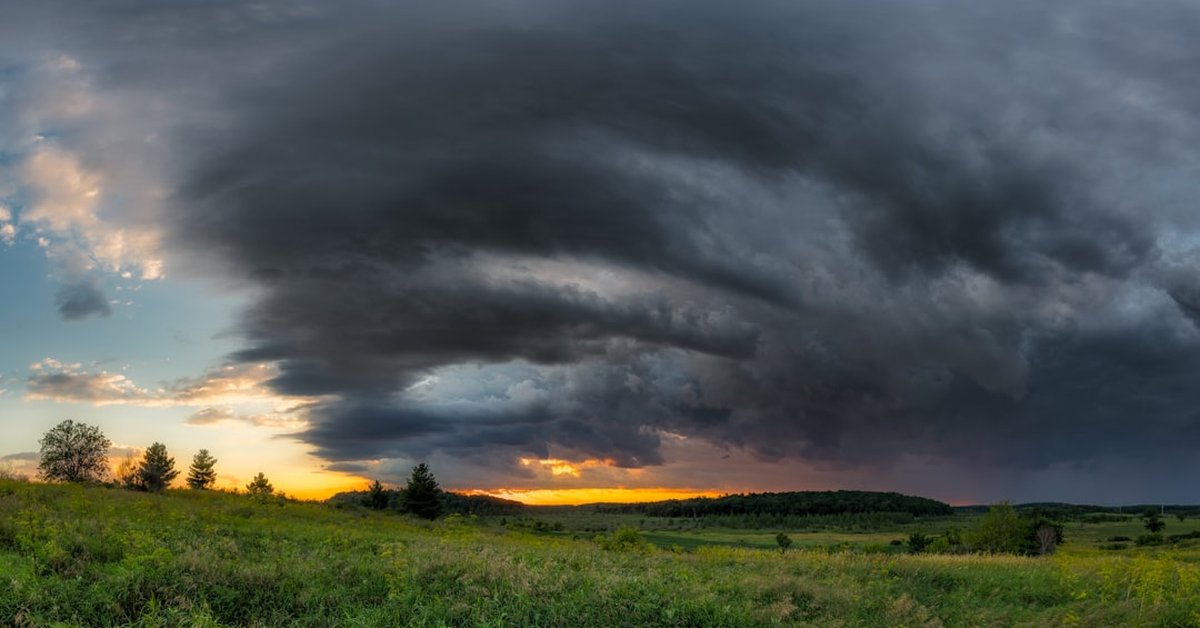
Adding to the challenges, the East of England has experienced localized but intense hailstorms. Reports of hail the size of golf balls have emerged from areas near Colchester in Essex, and Ipswich in Suffolk. These hailstorms have caused damage to vehicles, property, and crops. Social media is flooded with images of the large hailstones, showcasing the unusual intensity of the weather event.
The hail, combined with icy conditions, has further disrupted travel. Train services have experienced delays and cancellations due to frozen points and signal failures. Several roads have been temporarily closed due to hazardous conditions, including sections of the A12 and A14. Airports in the region have also experienced some disruptions, with flights delayed due to the need for de-icing.
“The size of the hail reported is quite unusual for this time of year in the UK,” says Professor David Schultz, Professor of Synoptic Meteorology, University of Manchester. “It suggests a very unstable atmosphere, with strong updrafts capable of supporting the growth of such large hailstones. This is often associated with thunderstorms, which are relatively rare during April in this region.”
Impacts and Community Response
The unseasonal cold snap is having a significant impact on communities across the East of England. Vulnerable individuals, such as the elderly and those with pre-existing health conditions, are particularly at risk. Local authorities and charities are working to provide support to those in need, including providing warm shelters and distributing blankets.
Schools have remained open in most areas, but some have adjusted their schedules or canceled outdoor activities due to the weather conditions. Parents are advised to ensure that children are adequately dressed for the cold weather, with hats, gloves, and scarves recommended.
The agricultural sector is facing significant challenges. Fruit growers are particularly concerned about the potential impact of the frost on blossoms, which could reduce yields. Vegetable farmers are also taking steps to protect their crops from frost damage. The full extent of the impact on agriculture will not be known until the weather improves.
The sudden shift in weather also highlights the increasing variability of climate patterns. “We are seeing more extreme weather events, both hot and cold, as a result of climate change,” adds Dr. Carter. “While individual events cannot be directly attributed to climate change, the overall trend is clear: we can expect more frequent and intense weather extremes in the future.”
Looking ahead, the Met Office forecasts that the cold weather will gradually ease over the next few days. However, temperatures are expected to remain below average for this time of year, and further frost is possible. Residents are advised to stay informed about the latest weather forecasts and take precautions to protect themselves and their property. The long-term implications of this cold snap, particularly for agriculture, will continue to be assessed in the coming weeks.