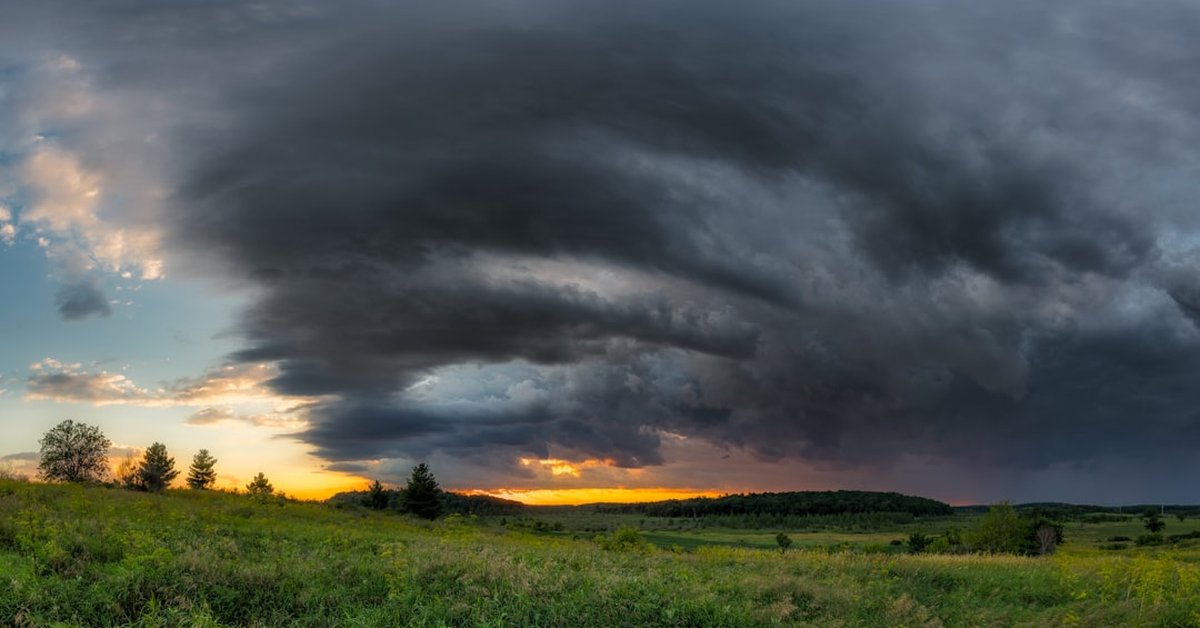





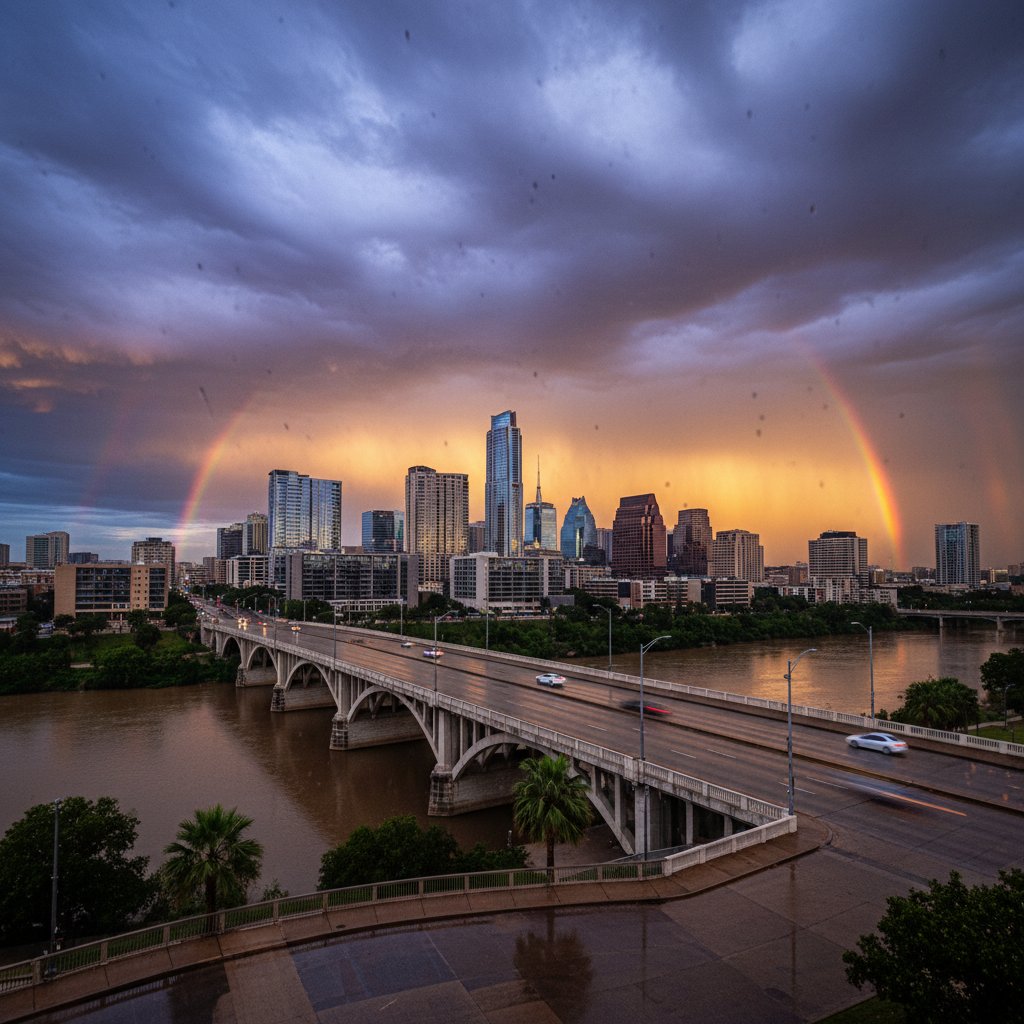
Austin residents are emerging from a dramatic weather event that brought torrential rain, damaging winds, and localized flash flooding to the Texas capital. While the immediate aftermath reveals scenes of downed trees and waterlogged streets, the storm also delivered a much-needed respite from the oppressive heat that has gripped the region for weeks. The challenge now is to assess the damage and prepare for the possibility of future extreme weather events in a changing climate.
Sudden Downpours and Swift Water Rescues
The intensity of the storm caught many off guard. Rainfall rates exceeded 3 inches per hour in some areas, quickly overwhelming drainage systems. This resulted in rapid flash flooding, particularly in low-lying areas and along the city’s numerous creeks and waterways. Several swift water rescues were reported, with emergency responders pulling people from cars stranded in rising floodwaters. The Austin Fire Department confirmed they responded to over 50 water-related incidents in a six-hour period.
The storm’s impact extended beyond flooding. High winds, gusting up to 60 mph in some locations, downed trees and power lines. Austin Energy reported over 30,000 customers without power at the peak of the storm. Crews are working around the clock to restore electricity, but some outages may persist for several days, especially in areas with significant tree damage. This is particularly concerning for vulnerable populations, such as the elderly and those with medical conditions requiring electricity-dependent equipment.
“The speed with which the floodwaters rose was alarming,” said Dr. Emily Carter, a hydrologist at the University of Texas at Austin. “This underscores the vulnerability of urban areas to extreme rainfall events, especially when infrastructure is not adequately prepared to handle such intense deluges.”
A Historical Context: Austin’s Flood History
Austin is no stranger to flooding. The city’s location in the Texas Hill Country makes it particularly susceptible to flash floods. The area is characterized by steep slopes and narrow valleys, which can quickly channel rainwater into concentrated flows. Major flooding events have occurred throughout Austin’s history, with devastating consequences. In 1935, a massive flood on Shoal Creek claimed several lives and caused widespread damage. More recently, the Halloween Flood of 2013 inundated parts of the city and highlighted the need for improved flood control measures.
The frequency and intensity of extreme rainfall events are projected to increase in the coming years due to climate change. Warmer temperatures lead to greater evaporation, resulting in more moisture in the atmosphere. This increased moisture can fuel more intense storms, leading to higher rainfall totals and a greater risk of flooding. Furthermore, urban development and deforestation can exacerbate the problem by reducing the land’s capacity to absorb rainwater.
The Silver Lining: Relief from the Heat
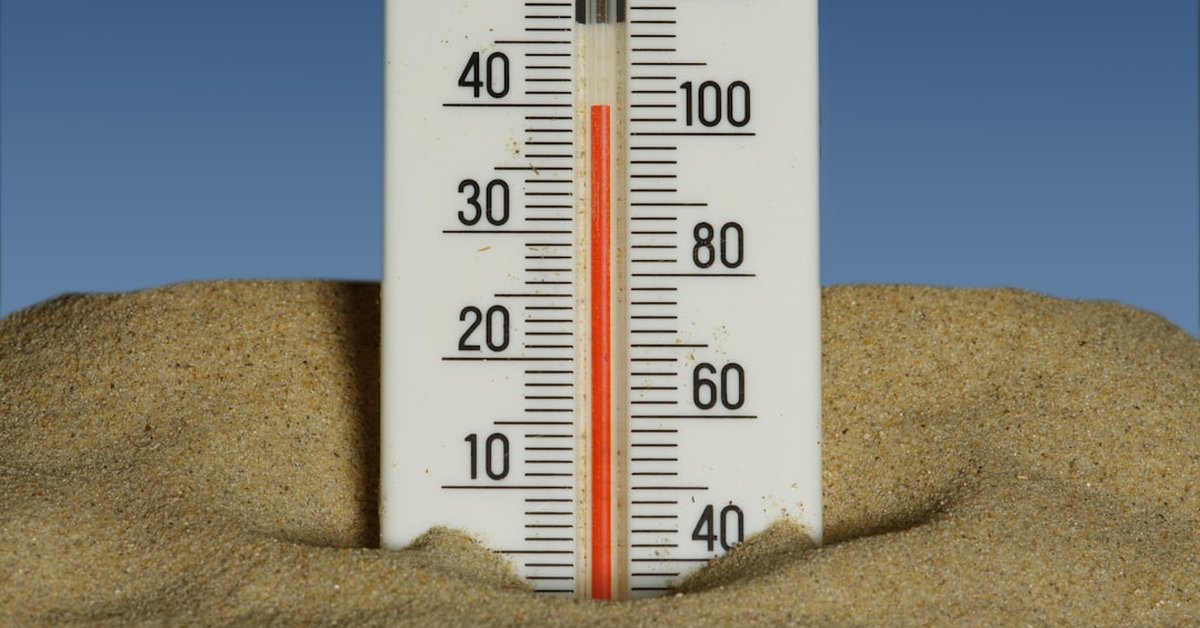
Despite the challenges posed by the storm, there was also a sense of relief among many Austin residents. The torrential rain brought a welcome end to a prolonged period of extreme heat. Temperatures had consistently soared above 100 degrees Fahrenheit for weeks, putting a strain on the city’s infrastructure and posing a health risk to vulnerable populations. The rain not only cooled things down but also provided much-needed moisture to parched landscapes. Parks and green spaces, which had been turning brown under the relentless sun, are now showing signs of renewed life.
The respite from the heat does not diminish the need to address the underlying causes of extreme weather. “While the immediate cooling effect is welcome, we must remember that these extreme weather events are becoming more frequent and intense due to climate change,” warns Michael Green, a climate scientist with the Environmental Defense Fund. “We need to invest in climate resilience measures, such as improved flood control infrastructure and more sustainable land management practices, to protect our communities from future disasters.”
Looking Ahead: Building a More Resilient Austin
The recent storm serves as a wake-up call for Austin. The city must take urgent action to adapt to the changing climate and build a more resilient infrastructure. This includes investing in improved drainage systems, restoring natural floodplains, and implementing stricter building codes in flood-prone areas. Furthermore, public education campaigns are needed to raise awareness about flood risks and promote preparedness.
The city is currently developing a comprehensive climate resilience plan that will outline specific actions to mitigate the impacts of climate change. This plan will address a range of issues, including extreme heat, flooding, and drought. The plan is expected to be finalized in the coming months and will guide the city’s efforts to build a more sustainable and resilient future.
The road to recovery will be long, but the people of Austin are known for their resilience and community spirit. As the city rebuilds and prepares for future challenges, it is essential to remember the lessons learned from this latest extreme weather event and to work together to create a more sustainable and resilient future for all. The memory of swift water rescues will hopefully fade fast, but the need for flood control will remain paramount.