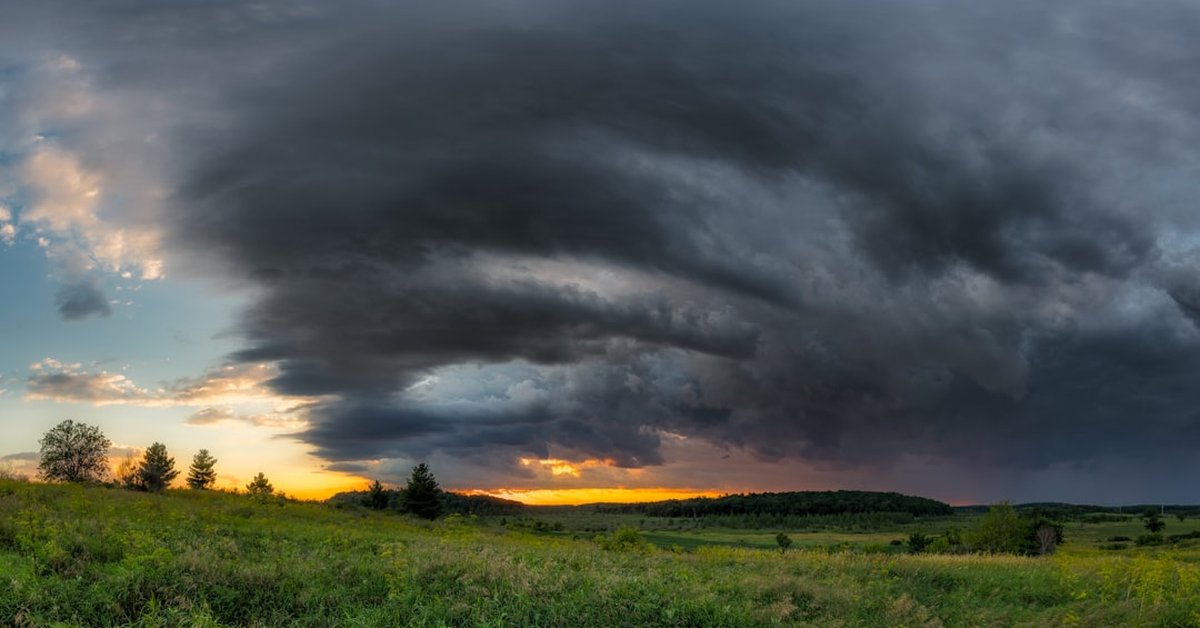




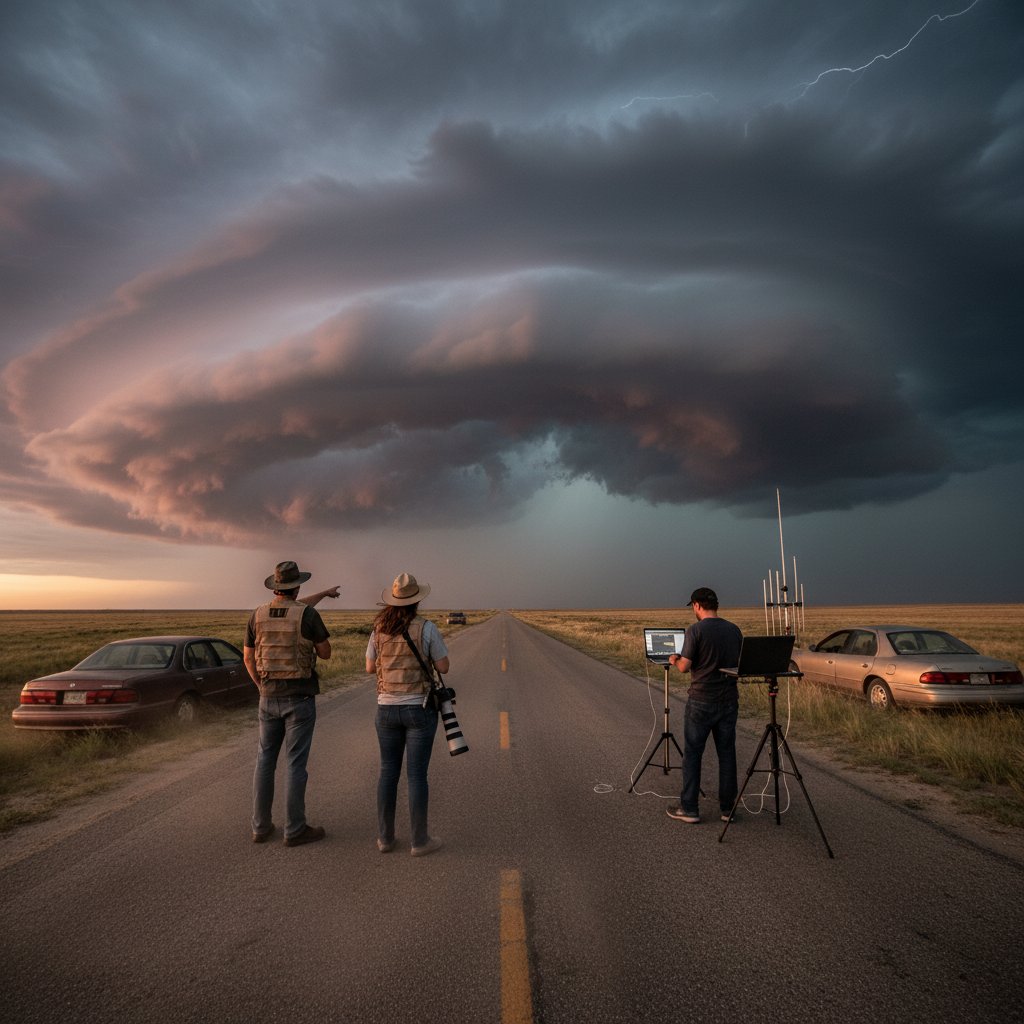
Every storm season, a small but dedicated band of weather enthusiasts loads up their 4WDs, checks radar apps, and heads into the Australian outback with cameras, anemometers, and high hopes. They call themselves tornado chasers. But the unofficial motto of their new Discord server—“Not Catching Jack Shit”—sums up the brutal reality of their pursuit. For the average Australian, this might sound like a joke. For meteorologists and emergency managers, it highlights a critical gap in how we understand and prepare for severe storms Down Under.
The server, launched in early March 2025, already has over 400 members. Its name is a self-deprecating nod to the fact that Australia, despite having some of the most violent thunderstorms on Earth, rarely produces the kind of photogenic, long-track tornadoes that make headlines in the United States. And that has real consequences: without a strong visual record, public awareness of tornado risk remains dangerously low.
The Harsh Physics of Australian Tornadoes
Australia does get tornadoes—about 30 to 80 per year, according to the Bureau of Meteorology. But most are weak (EF0 to EF1), short-lived, and occur in sparsely populated areas. The infamous 2013 EF3 tornado that struck Bundaberg, Queensland, is a rare exception. “The problem is not that Australian tornadoes don’t exist,” explains Dr. Sarah Chen, a severe weather researcher at the University of New South Wales. “It’s that they are often rain-wrapped, occur in low-light conditions, or form over open bushland where no one is watching. Chasers spend hours driving for a glimpse of a funnel that might never touch down.”
Compare that to the U.S. Great Plains, where drylines and strong wind shear produce classic supercells with visible, long-lived tornadoes. Australia lacks that setup. Instead, most severe storms are high-precipitation (HP) supercells, where the tornado is hidden inside a wall of rain. “You can be right under a tornado and not see it until it’s too late,” adds Chen. “That makes chasing not only frustrating but genuinely dangerous.”
For the Discord community, that frustration is part of the appeal. Members share tips on radar interpretation, post grainy videos of “maybe a funnel cloud,” and commiserate over near-misses. The server’s admin, who goes by the handle “StormChaserOz,” told CyclonePost in a direct message: “We knew the name would get attention. It’s honest. We’re not catching jack shit most of the time. But when we do, it’s gold.”
Why This Matters for Everyday Australians
The lack of visual documentation feeds a dangerous misconception: that tornadoes are not a real threat in Australia. A 2023 survey by the Insurance Council of Australia found that only 12% of residents in tornado-prone regions (e.g., inland NSW, southern Queensland) have a specific plan for a tornado warning. Most rely on general storm advice. “People see tornadoes as a ‘US problem,’” says Mark Henderson, a former Bureau of Meteorology severe weather forecaster. “They don’t realize that an EF2 tornado can flatten a house just as easily in Dubbo as in Oklahoma.”
In fact, Australia’s deadliest tornado—the 1970 EF4 that hit Bulahdelah, NSW—killed 5 people and injured dozens. More recently, a 2022 outbreak in Victoria produced multiple tornadoes that damaged homes and farms. Yet these events fade quickly from public memory because there are few iconic images to anchor them. The Discord server’s members are trying to change that, one blurry video at a time.
“Every submission, even the failed attempts, adds to our understanding of where and when tornadoes form in Australia,” says Henderson. “If we can get more eyes on the sky—even if they’re catching ‘jack shit’—that’s still valuable data for forecast models.”
Inside the Server: Camaraderie, Memes, and Lessons
The server is divided into channels: #radar-discussion, #spotter-reports, #fail-of-the-week, and #gear-talk. The tone is irreverent but serious about safety. A pinned post reads: “Remember: if you don’t catch a tornado, you still get to go home. Don’t be a hero.” That ethos reflects a broader shift in Australian storm chasing from cowboy culture toward scientific collaboration.
One popular feature is the “Bingo Card” bot: members mark off common chasing outcomes like “drove 300km for nothing,” “got hailed on,” or “saw a wall cloud that didn’t produce.” It’s a joke, but it also serves as a de facto log of storm behavior. “We’re basically crowdsourcing null data,” says Dr. Chen. “That’s useful for climatology—knowing where storms didn’t produce tornadoes helps refine risk maps.”
The server also hosts occasional Q&A sessions with meteorologists. In a recent chat, a forecaster explained why Australian tornadoes often occur in lines of storms rather than isolated supercells—a key difference that makes them harder to chase. Members shared screenshots of radar signatures that looked promising but fizzled. The collective groan was palpable, even in text.
History Repeats: The Long Struggle of Australian Chasing
Australian tornado chasing has always been a niche pursuit. In the 1990s, a handful of enthusiasts used ham radios and faxed weather charts. Today, they have mobile radar apps and Discord. But the fundamental challenge remains: Australia’s storms are less cooperative. “We have the same ingredients—instability, shear, lift—but they’re arranged differently,” explains Henderson. “In the US, you get a clean, discrete supercell. Here, it’s often a messy squall line with embedded rotation. By the time you see a funnel, it’s already lifting.”
That hasn’t stopped a new generation from trying. The Discord server’s membership has doubled since a viral post on X (formerly Twitter) showing a member’s car covered in golf-ball-sized hail—with the caption “At least we got something.” The post racked up 50,000 likes. For the chasers, that moment of viral validation is almost as good as a tornado sighting.
What Comes Next: A More Connected, Data-Rich Future
The “Not Catching Jack Shit” server is more than a meme. It represents a shift toward networked, real-time storm observation that could eventually feed into automated warning systems. Researchers at the Bureau of Meteorology are exploring ways to integrate citizen reports—including null reports—into machine learning models that predict tornado genesis. “A chaser who reports ‘no tornado’ after a storm is just as important as one who reports a touchdown,” says Dr. Chen. “It helps us calibrate our algorithms.”
For now, the chasers will keep driving, watching, and sometimes catching nothing. But the community they’ve built—with its dark humor, shared knowledge, and grudging acceptance of failure—may ultimately be more valuable than any single tornado video. As the server admin put it: “We might not catch jack shit. But at least we’re catching it together.”
The next severe weather season in Australia runs from October to March. The Discord server is already planning a coordinated chase day for November. Whether they’ll finally bag a dramatic tornado—or just more hail damage and flat tires—remains to be seen. But one thing is certain: they’ll be live-tweeting every moment.