





“We’re seeing an amplification of extreme weather events, and these early season heatwaves are a clear manifestation of that trend,” warns Dr. Emily Carter, a climatologist at the National Center for Atmospheric Research.
The United States is bracing for another day of sweltering heat, with many regions already experiencing oppressive temperatures early this morning. Reports are flooding in of homes reaching uncomfortable levels well before sunrise, signaling a potentially dangerous heatwave to come.
Early Morning Misery: Heat Records Threatened
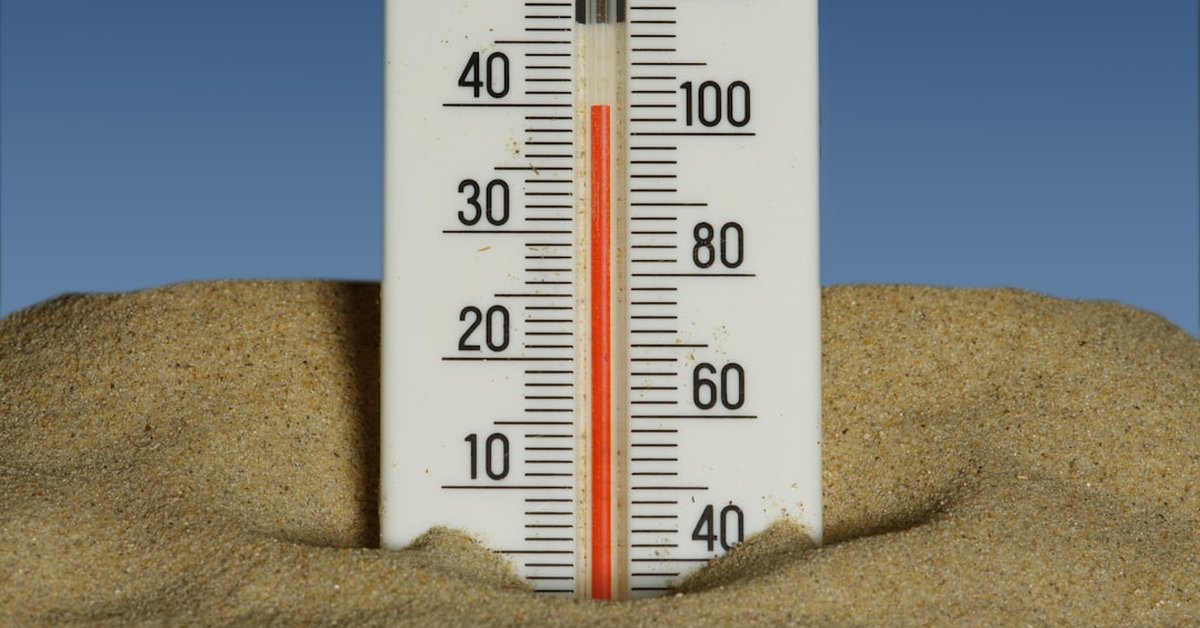
As early as 5:40 AM local time, residents across several states reported indoor temperatures hitting a stifling 28°C (82°F). This is especially concerning as it indicates a lack of overnight relief, preventing homes from cooling down and increasing the risk of heat-related illnesses. The National Weather Service (NWS) has issued excessive heat warnings and heat advisories for a vast area spanning from California (34.0522° N, 118.2437° W) to Florida (27.9944° N, 81.7603° W), urging residents to take precautions.
Phoenix, Arizona, a city accustomed to high temperatures, is forecast to reach a scorching 46°C (115°F) today, surpassing the average high for this time of year by nearly 8 degrees. Similar conditions are expected in Las Vegas, Nevada, where temperatures are predicted to peak at 43°C (109°F). The NWS office in Las Vegas (36.0845° N, 115.1439° W) specifically warned of “dangerously hot conditions with little overnight relief” and advised people to stay indoors during the hottest part of the day.
The heat dome, a persistent high-pressure system, is responsible for trapping hot air over the region, preventing cooling and exacerbating the already extreme conditions. This phenomenon is not new, but its increasing frequency and intensity are raising concerns among climate scientists.
Health and Safety: Staying Cool and Protected
With temperatures soaring, health officials are emphasizing the importance of staying hydrated, avoiding strenuous activity, and seeking air-conditioned environments. Sunscreen with a high SPF is crucial for anyone venturing outdoors, even for short periods. Symptoms of heat exhaustion include heavy sweating, weakness, dizziness, headache, nausea, and vomiting. If experiencing these symptoms, it is crucial to seek medical attention immediately.
Cooling centers are opening across affected states, providing a safe haven for those without access to air conditioning. Information on cooling center locations can be found on local government websites and through the NWS.
Expert Advice
“The key to surviving these extreme heat events is preparation and awareness,” explains Dr. Carter. “Knowing the signs of heatstroke and heat exhaustion, and having a plan to stay cool and hydrated, can be life-saving.”
The current heatwave is expected to persist for several days, with no significant relief in sight. Residents in affected areas are urged to stay informed about the latest weather updates and take all necessary precautions to protect themselves and their families.
Stay tuned to CyclonePost for continued coverage of this developing weather event. We will provide updates as they become available.