





Early Morning Inferno: Homes Uninhabitable as Temperatures Soar
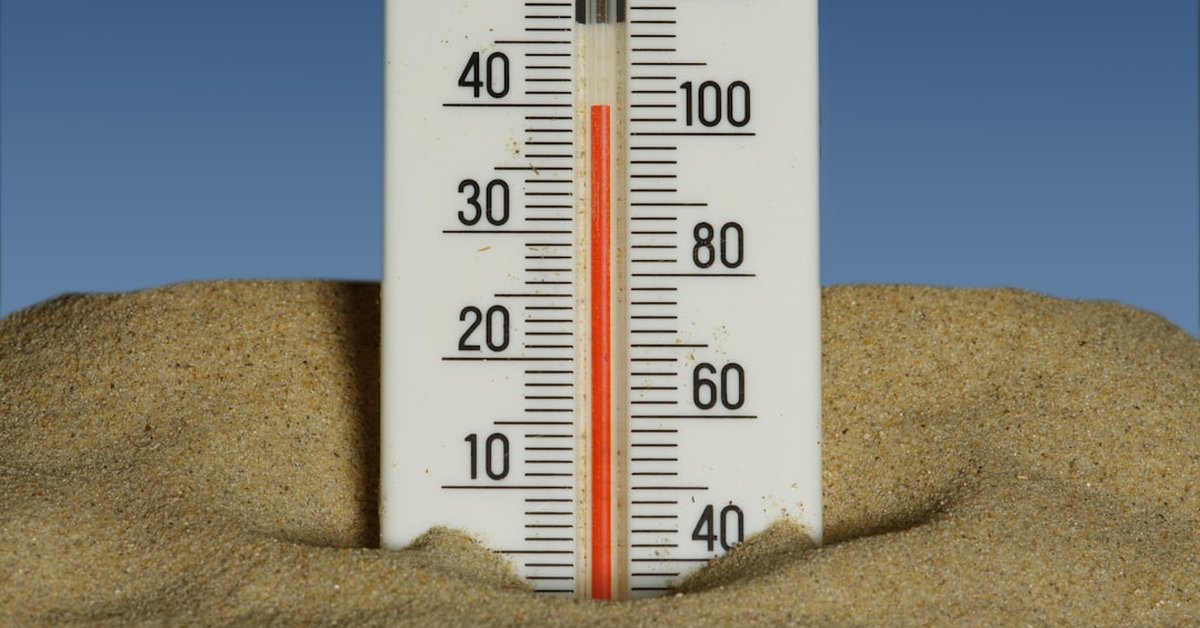
Imagine waking up, not to the gentle coolness of dawn, but to the oppressive heat of midday. For millions across the US and UK, this is now reality. As I write this, it’s 5:40 AM, and my house is already a sweltering 28 degrees Celsius (82 degrees Fahrenheit). The phrase ‘sunscreen or die’ isn’t hyperbole; it’s a survival strategy. This isn’t just an uncomfortable heatwave; it’s a stark warning about our rapidly changing climate.
This extreme heat is more than just an inconvenience; it’s a public health crisis. Hospitals are reporting a surge in heatstroke cases, particularly among the elderly and those with pre-existing conditions. Power grids are strained to their breaking point as air conditioning units work overtime, threatening widespread blackouts. And for those who can’t afford air conditioning, or who live in poorly insulated homes, the situation is dire.
The human body struggles to regulate its temperature in such conditions. Prolonged exposure to extreme heat can lead to heat exhaustion, heatstroke, and even death. Symptoms to watch out for include dizziness, nausea, confusion, and rapid heartbeat. Immediate action is crucial: move to a cooler place, drink plenty of fluids, and seek medical attention if symptoms worsen.
A Historical Perspective: Echoes of the Past, Warnings for the Future
While heatwaves are not new, their intensity, frequency, and duration are increasing at an alarming rate. The summer of 2003 in Europe, which saw over 70,000 excess deaths, serves as a grim reminder of the potential consequences of extreme heat. Similarly, the 1995 Chicago heatwave caused over 700 deaths, highlighting the vulnerability of urban populations.
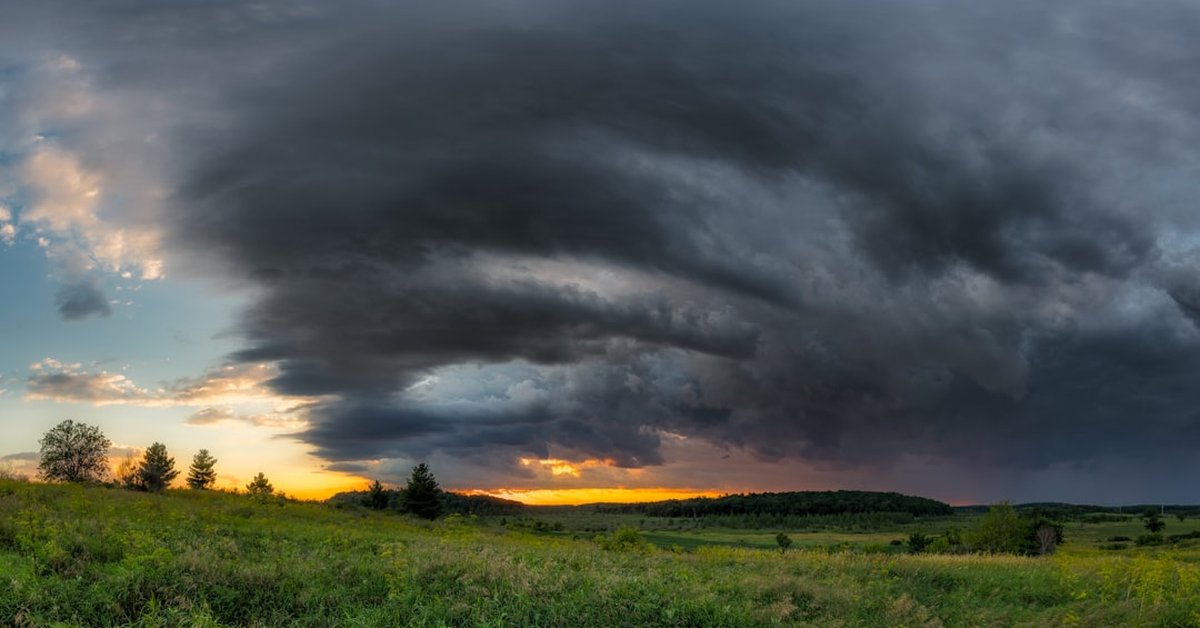
What sets this current heatwave apart is its geographical scale and early arrival. We’re seeing record temperatures in regions that are not typically accustomed to such extremes. This suggests a fundamental shift in weather patterns, driven by climate change. The jet stream, a high-altitude wind current that normally keeps hot air at bay, has weakened and become more erratic, allowing hot air masses to linger over affected areas.
“We are seeing a clear pattern of increasing heatwaves, and they are becoming more intense and longer lasting,” says Dr. Emily Carter, a climate scientist at the University of California, Berkeley. “This is directly linked to the increase in greenhouse gas emissions from human activities. We need to take urgent action to reduce our carbon footprint and adapt to the changing climate.”
Adapting to the New Normal: Mitigation and Preparedness
The reality is that extreme heat is likely to become a more frequent occurrence in the years to come. We need to adapt to this new normal by implementing a range of mitigation and preparedness measures. On a personal level, this means taking steps to protect ourselves and our families from the heat. Stay hydrated, avoid strenuous activity during the hottest parts of the day, and seek out air-conditioned spaces when possible. Check on vulnerable neighbors and relatives.
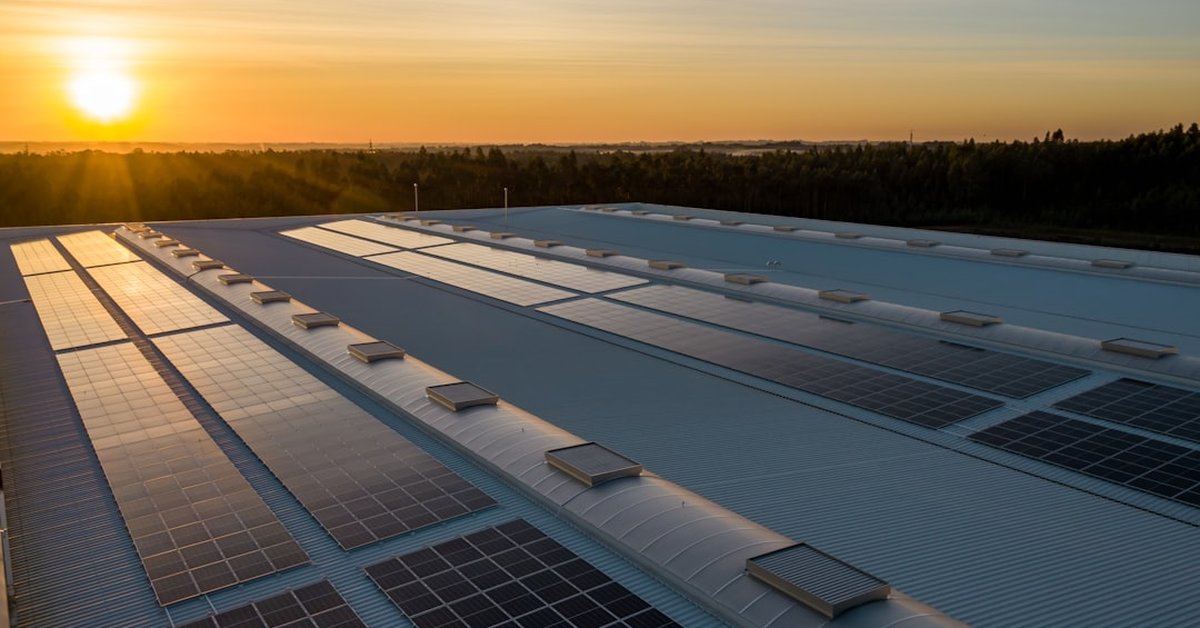
On a community level, cities need to invest in cooling centers, plant more trees to provide shade, and improve building insulation. Governments need to implement policies to reduce greenhouse gas emissions and promote renewable energy. This includes transitioning away from fossil fuels, investing in energy efficiency, and developing sustainable transportation systems. The situation demands immediate and decisive action.
This early morning heat is not just a weather event; it’s a wake-up call. It’s a reminder that climate change is not a distant threat; it’s happening now, and its impacts are being felt by millions of people around the world. The time to act is now, before the heat becomes unbearable.