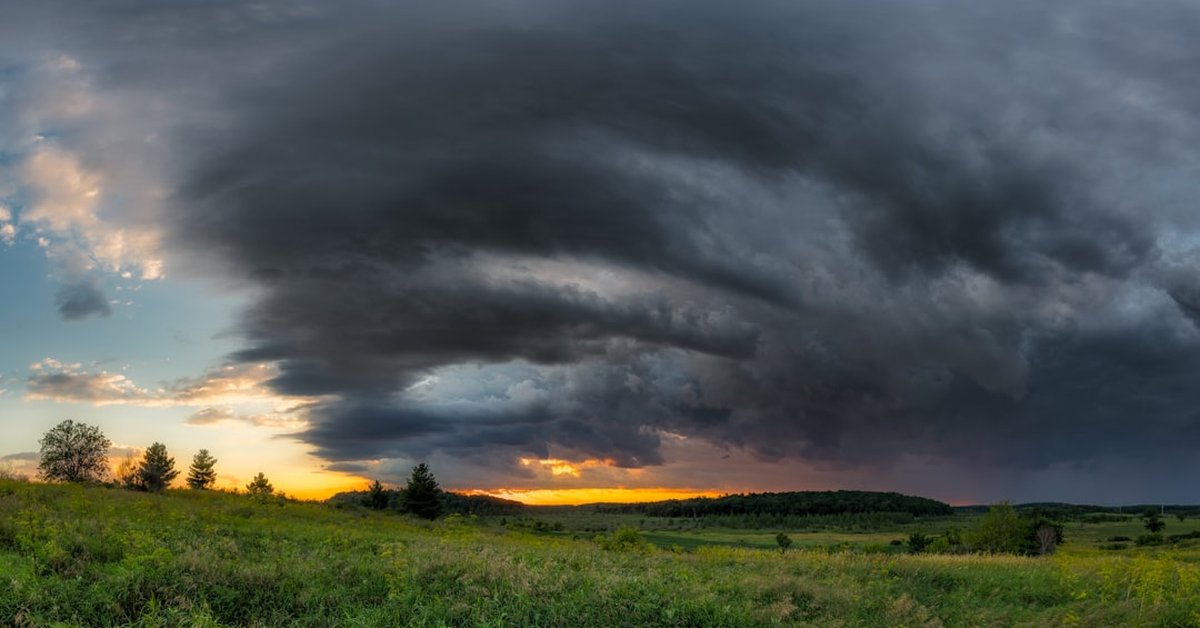






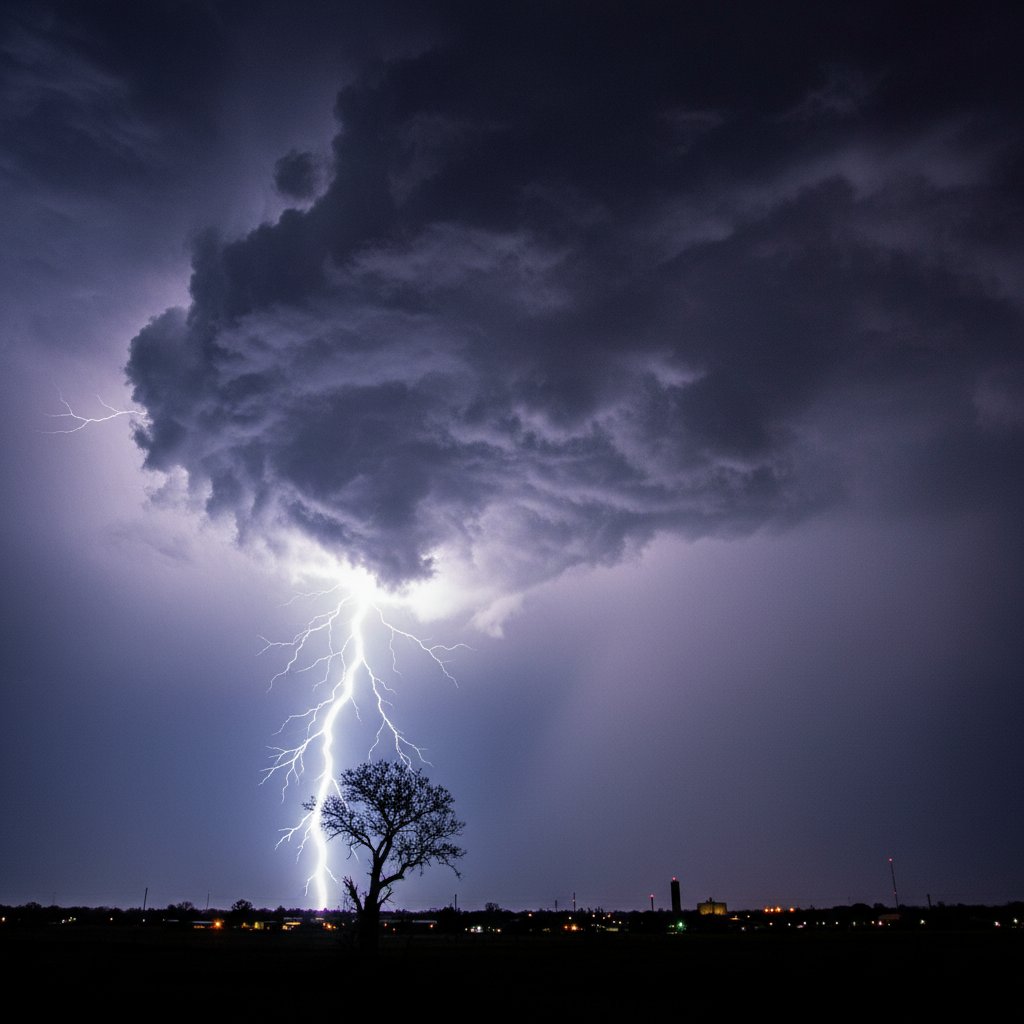
On a sweltering July afternoon over the Texas Panhandle, the sky turned a bruised purple. A single cumulonimbus cloud, its anvil head spreading like a nuclear plume, unleashed a barrage of lightning—more than 1,200 strikes in under an hour. One bolt hit a cattle feedlot, killing 20 head of cattle and igniting a grass fire that burned 500 acres before firefighters contained it. Such scenes are becoming alarmingly routine as climate change supercharges the thunderstorms that breed lightning.
To understand lightning, you must first understand its parent: the cumulonimbus cloud. These towering behemoths can reach heights of 60,000 feet, punching into the stratosphere. They are nature’s most violent factories, churning out hail, tornadoes, flash floods, and—most frequently—lightning. In the United States alone, the National Lightning Safety Council estimates between 20 and 25 million cloud-to-ground strikes occur each year. Globally, scientists at the University of Washington calculate that lightning flashes approximately 1.4 billion times annually. And the trend is upward.
How Cumulonimbus Clouds Generate Lightning
The process begins inside the cloud’s updraft. Water droplets, supercooled to temperatures below freezing, collide with ice crystals and graupel—soft hail. Like socks rubbing against a wool carpet, these collisions strip electrons, creating a charge separation. Lighter ice crystals carry a positive charge to the top of the cloud; heavier graupel carries negative charge to the base. The cloud becomes a massive static generator.
“It’s essentially a Van de Graaff generator in the sky,” explains Dr. Sarah L. Matthews, a professor of atmospheric physics at the University of Colorado Boulder. “When the voltage difference between the cloud base and the ground or between two parts of a cloud exceeds the dielectric breakdown of air—about 3 million volts per meter—you get a lightning discharge.”
A typical lightning channel carries 30,000 amperes of current and heats the air to 30,000°C—five times hotter than the surface of the sun. The rapid expansion of superheated air creates the shockwave we hear as thunder. While most strikes occur within the same cloud (intra-cloud lightning), about 25% reach the ground. These cloud-to-ground strikes pose the greatest threat to life and property.
The Science Behind a Strike
A single lightning bolt may appear instantaneous, but it unfolds in microseconds. First, a faint, negatively charged step leader zigzags downward from the cloud in 50-meter jumps. As it nears the ground, positively charged streamers rise from tall objects—trees, buildings, even people. When the two meet, a bright return stroke surges upward at one-third the speed of light. That’s the flash we see. The entire process takes less than half a second, but it carries enough energy to power a 100-watt light bulb for three months.
Historical data show that lightning kills roughly 20 people per year in the United States—down from an average of 50 in the 1990s, thanks to better public education and lightning detection systems. Yet the number of lightning-caused wildfires has surged. The National Interagency Fire Center reports that between 2018 and 2023, lightning ignited an average of 4,000 wildfires annually in the U.S., burning over 1.5 million acres. The 2021 Bootleg Fire in Oregon, which destroyed 400,000 acres, was triggered by a single lightning strike.
Lightning Patterns in a Changing Climate
Climate scientists have long debated how global warming will affect lightning frequency. New research from the Massachusetts Institute of Technology offers a sobering answer. Using decades of satellite data and climate models, MIT’s Dr. Elizabeth Carr found that for every degree Celsius of warming, global lightning frequency may increase by 12%. “Warmer air holds more moisture, which fuels stronger updrafts inside cumulonimbus clouds,” says Carr. “Stronger updrafts mean more ice collisions, more charge separation, and ultimately more lightning.”
This effect is already visible. The National Oceanic and Atmospheric Administration (NOAA) recorded a 28% increase in lightning days over the contiguous United States between 1990 and 2020, concentrated in the Great Plains and Midwest. Meanwhile, in the Arctic—once a lightning desert—satellites have detected an alarming rise in summer thunderstorms. A 2022 study in Geophysical Research Letters documented a 300% increase in lightning strokes above 65°N latitude compared to the 1980s. These Arctic strikes pose a novel risk: they can ignite smoldering fires in peatlands, releasing centuries of stored carbon.
“We are entering uncharted territory,” warns Dr. Matthews. “The cumulonimbus clouds of the future will be more energetic, more persistent, and more likely to generate destructive lightning storms. Infrastructure built for the 20th century may not withstand the 21st.”
Safety and Preparedness: What the Reader Needs to Know
For readers in storm-prone regions, the takeaway is clear. Lightning can strike from a thunderstorm as far as 10 miles away—that’s the distance of a clear blue sky overhead while the cloud lurks on the horizon. The National Weather Service advises the 30-30 rule: if you see lightning and hear thunder within 30 seconds, seek shelter indoors immediately, and stay there for at least 30 minutes after the last thunderclap. No place outdoors is safe during a thunderstorm. Cars with hard metal roofs are reasonably safe, not because of rubber tires but because the metal shell diverts current around the occupants—a principle known as the Faraday cage effect.
Yet even with precautions, lightning remains a leading cause of weather-related fatalities worldwide, especially in developing countries where early warning systems are sparse. The World Meteorological Organization reports that lightning kills roughly 24,000 people globally each year—most of them farmers working in open fields during afternoon thunderstorms. Expanding lightning detection networks in Africa and South Asia, combined with mobile phone alerts, could dramatically reduce that toll.
As climate change continues to energize the atmosphere, cumulonimbus clouds will only grow more formidable. The same physics that lights up our evening skies with spectacular showery displays also carries the potential for catastrophe. Understanding that connection is the first step toward building resilience—and ensuring that when the sky turns purple, we know exactly what to do.